

 عربى
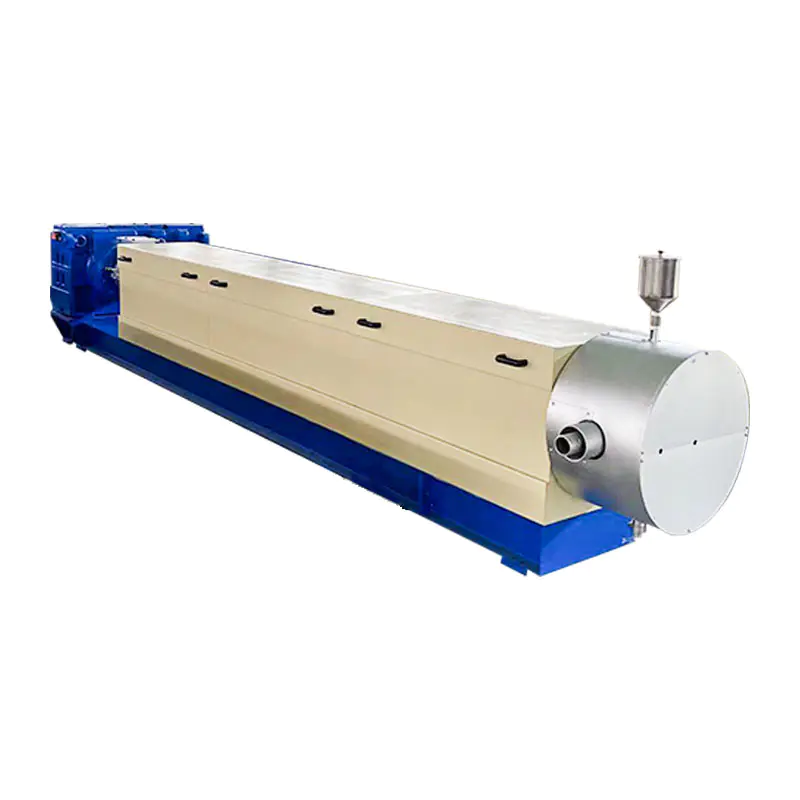
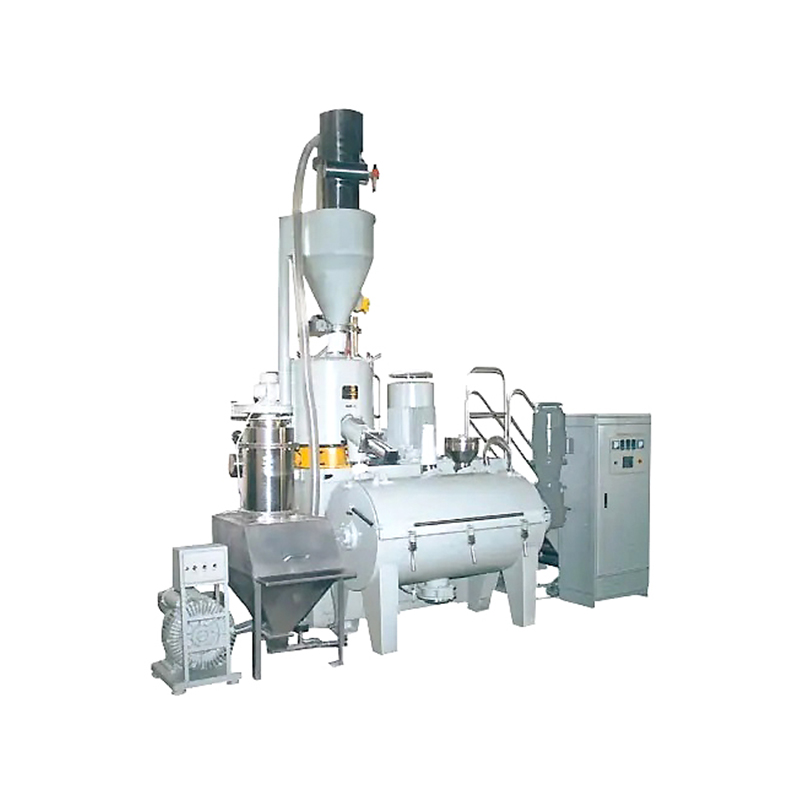
عربىThe Plastic Pelleting Machine is a vital piece of equipment in the plastic processing industry, transforming raw plastic materials into uniform pellets suitable for manufacturing. While these machines enhance productivity and improve material handling, operating them without proper safety measures can lead to serious accidents and equipment damage. Ensuring operator safety and machine longevity requires strict adherence to safety protocols.
Content
Understanding the Risks of Using a Plastic Pelleting Machine
Operating a Plastic Pelleting Machine involves exposure to several hazards, including mechanical injuries, thermal burns, electrical risks, and inhalation of plastic fumes. Understanding these risks helps in implementing preventive measures effectively.
Mechanical Hazards
- Rotating parts and cutting blades can cause severe injuries if hands or clothing come into contact.
- Improper feeding of raw materials can lead to blockages or sudden ejection of pellets.
- Loose tools or debris left near the machine may become projectiles during operation.
Thermal and Chemical Risks
- Plastic materials are heated to high temperatures during pelleting, posing a burn risk on direct contact.
- Some plastics release fumes that may irritate the respiratory system, requiring proper ventilation.
Electrical Hazards
- Faulty wiring or improper grounding can result in electric shock.
- Overloading the machine can trigger electrical failures and fire hazards.
Key Safety Measures for Plastic Pelleting Machine Operation
Implementing safety measures is critical to prevent accidents and maintain efficient production. Below are essential precautions:
1. Proper Training and Certification
Operators must receive formal training on Plastic Pelleting Machine operation, including emergency shutdown procedures and maintenance protocols. Certification ensures that the operator understands both mechanical and chemical hazards.
2. Personal Protective Equipment (PPE)
- Heat-resistant gloves to handle hot components.
- Safety goggles to protect eyes from flying pellets or debris.
- Respirators or masks if handling plastics that emit fumes.
- Protective clothing to prevent burns and cuts.
3. Machine Maintenance and Inspection
Regular inspection of blades, feed systems, and heating elements ensures smooth operation and reduces the risk of malfunctions. Key points include:
- Lubricating moving parts to avoid mechanical failure.
- Checking electrical connections and grounding systems.
- Ensuring all safety guards and shields are in place before operation.
4. Safe Operation Practices
- Never reach into the feed hopper or pelleting chamber while the machine is running.
- Use appropriate feeding tools instead of hands to introduce raw material.
- Do not bypass emergency stop switches or safety interlocks.
- Maintain a clean workspace to prevent slips, trips, or interference with machine operation.
5. Ventilation and Fume Control
Ensure that the area around the Plastic Pelleting Machine is well-ventilated. Installing fume extraction systems can protect workers from inhaling potentially harmful vapors, especially when processing PVC or other chemically sensitive plastics.
Comparing Safety Measures Across Machine Types
Different types of Plastic Pelleting Machines require specific safety considerations:
Strand Pelletizers vs. Underwater Pelletizers
- Strand Pelletizers: Require careful handling of cutting blades and strand cooling systems. Risks include mechanical injury from high-speed rotating cutters.
- Underwater Pelletizers: Operate in water, reducing dust and fumes but increasing the risk of slipping and electrical hazards. Proper grounding and anti-slip flooring are critical.
Laboratory-Scale vs. Industrial-Scale Machines
- Laboratory-scale: Smaller size reduces mechanical risk but may lack comprehensive safety interlocks, requiring extra operator vigilance.
- Industrial-scale: Higher production volume increases exposure to heat, noise, and mechanical hazards, making PPE and automated safety systems essential.
Maintenance Safety Protocols
Proper maintenance is crucial for preventing accidents:
- Always shut down and disconnect the machine from power before performing maintenance.
- Wear insulated gloves when handling electrical components.
- Clean and inspect cooling and heating systems regularly to prevent overheating.
- Keep detailed maintenance logs to track recurring issues and preventive measures.
Common Mistakes to Avoid
- Ignoring safety guards or interlocks to save time.
- Overloading the machine with raw material beyond recommended limits.
- Using damaged or worn-out blades without replacement.
- Failing to provide proper ventilation, especially in enclosed spaces.
FAQs About Plastic Pelleting Machine Safety
Q1: Can I operate a Plastic Pelleting Machine without PPE?
No. PPE such as gloves, goggles, and protective clothing is essential to prevent burns, cuts, and inhalation of fumes.
Q2: How often should safety inspections be conducted?
Daily checks are recommended for critical components, while a comprehensive inspection should be performed at least monthly.
Q3: Are there automatic safety features in modern machines?
Yes, many modern Plastic Pelleting Machines include emergency stop switches, blade guards, and interlock systems that prevent operation if safety covers are open.
Q4: What is the most common cause of accidents?
Operator negligence, such as reaching into moving parts or bypassing safety mechanisms, accounts for the majority of incidents.
Q5: How can ventilation improve safety?
Proper ventilation removes harmful fumes, reduces heat exposure, and improves overall air quality in the workspace.
Ensuring safety while operating a Plastic Pelleting Machine is crucial for protecting personnel and maintaining efficient production. Through proper training, the use of PPE, adherence to maintenance schedules, and implementation of safe operating procedures, operators can minimize risks associated with mechanical, thermal, and chemical hazards. Comparing different machine types highlights the need for tailored safety strategies. By prioritizing safety, manufacturers can achieve both operational efficiency and a secure working environment.