

 عربى
عربىThe rise of sustainable practices has made plastic recycling an essential part of modern industry. Among the technologies driving this change, the Plastic Pelleting Machine stands out as a critical tool that significantly improves recycling efficiency. By converting plastic waste into uniform pellets, it not only streamlines subsequent manufacturing processes but also enhances material reuse.
Content
Understanding the Plastic Pelleting Machine
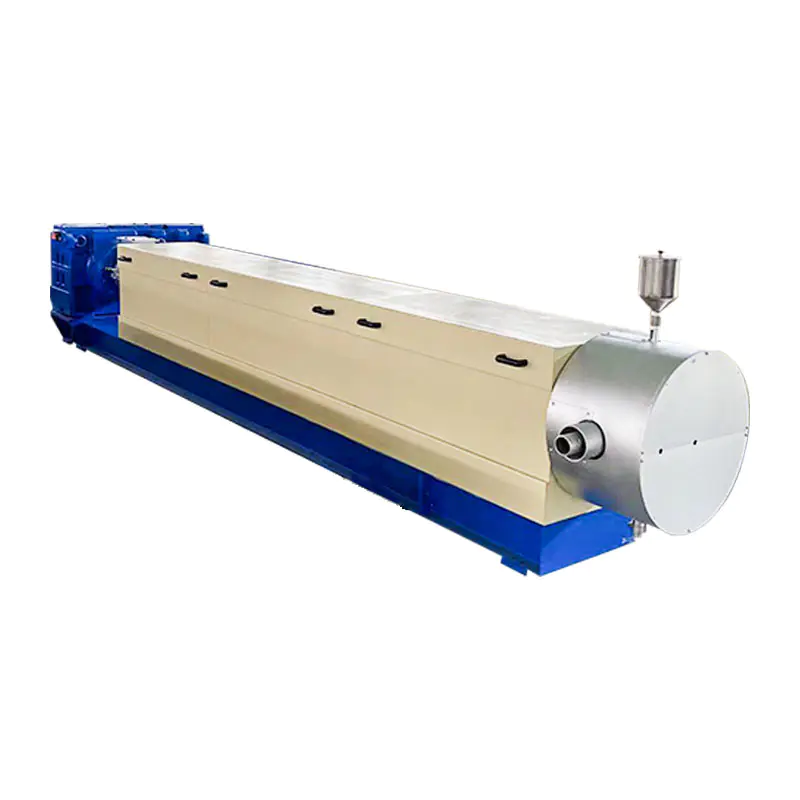
A Plastic Pelleting Machine is designed to process shredded or granulated plastic into small, uniform pellets. These pellets can then be easily melted, molded, or extruded into new products. The machine typically consists of:
- Feeding system: Guides shredded plastic into the machine.
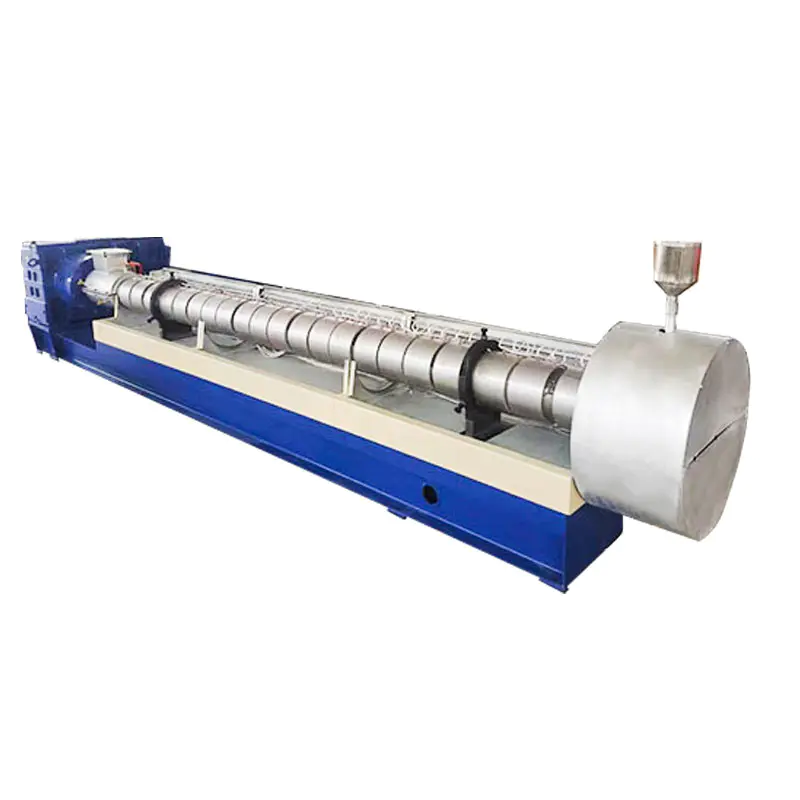
- Extruder: Melts and homogenizes the plastic material.
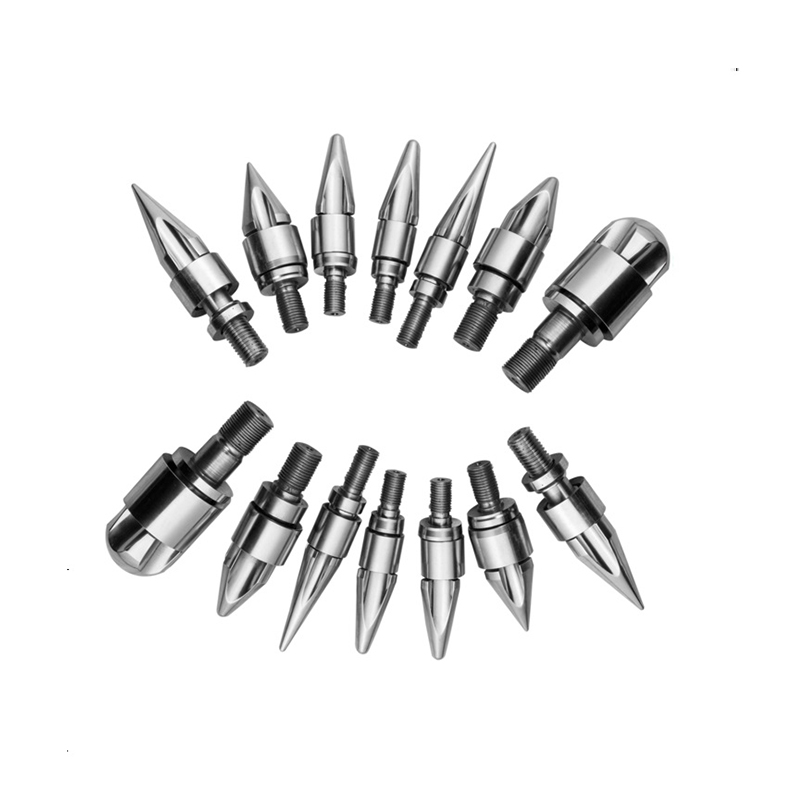
- Die and cutter: Forms the melted plastic into pellets of consistent size.
- Cooling system: Solidifies the pellets quickly for easy handling and storage.
Enhancing Recycling Efficiency
The efficiency of plastic recycling relies heavily on material handling and processing speed. Using a Plastic Pelleting Machine impacts this process in several key ways:
- Uniformity: Pellets created by the machine are consistent in size and shape, improving the quality of recycled products.
- Reduced waste: By transforming irregular plastic scraps into usable pellets, the machine minimizes material loss.
- Faster production: Automation of pelletizing accelerates the recycling workflow, reducing manual labor and processing time.
- Storage and transport: Pellets are easier to store and transport compared to loose plastic flakes or granules.
Comparison with Traditional Methods
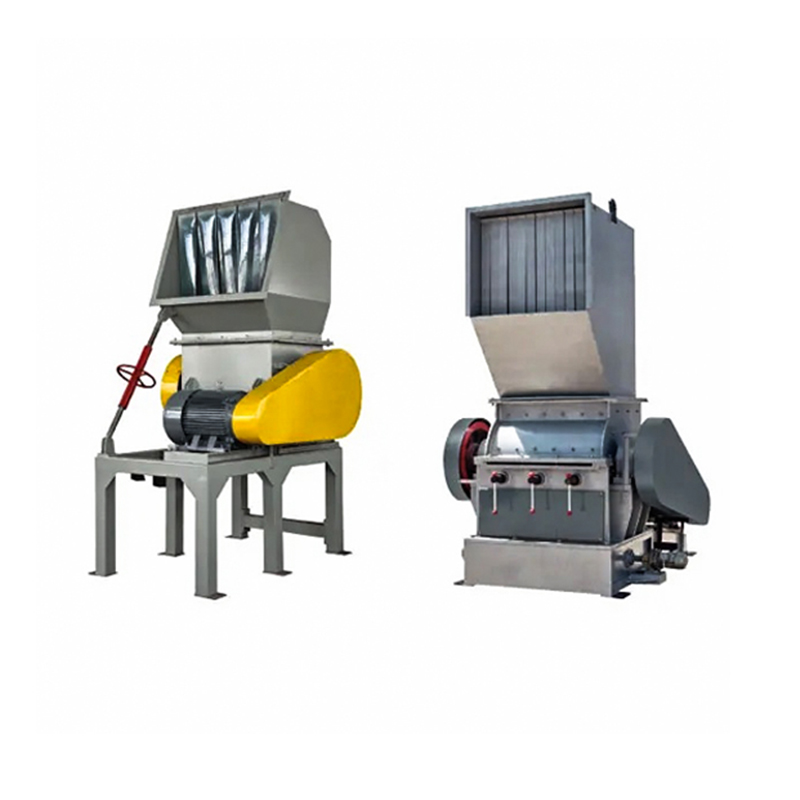
Before the adoption of Plastic Pelleting Machines, recycling often relied on simple shredding or granulating systems. Compared to traditional methods, pelletizing offers:
- Higher material density: Pellets occupy less volume than shredded plastics, saving storage space.
- Consistent melting characteristics: Uniform pellets melt more evenly, reducing defects in molded products.
- Improved downstream compatibility: Pellets can be directly fed into extrusion or injection molding processes, unlike irregular flakes.
Applications in the Recycling Industry
Plastic Pelleting Machines are used widely in:
- Recycling facilities handling PET, HDPE, PP, and other common plastics.
- Plastic manufacturing plants that reuse internal production scraps.
- Waste management companies aiming to convert post-consumer plastic into reusable raw material.
Advantages of Using a Plastic Pelleting Machine
- Cost-efficiency: Reduces raw material waste and labor costs.
- Environmental benefits: Encourages recycling and reduces plastic landfill volume.
- Product quality improvement: Produces pellets that lead to more stable, uniform finished products.
Materials and Structure Considerations
Modern Plastic Pelleting Machines are designed with durability and efficiency in mind. Key features include:
- High-quality stainless steel components to resist wear from abrasive plastics.
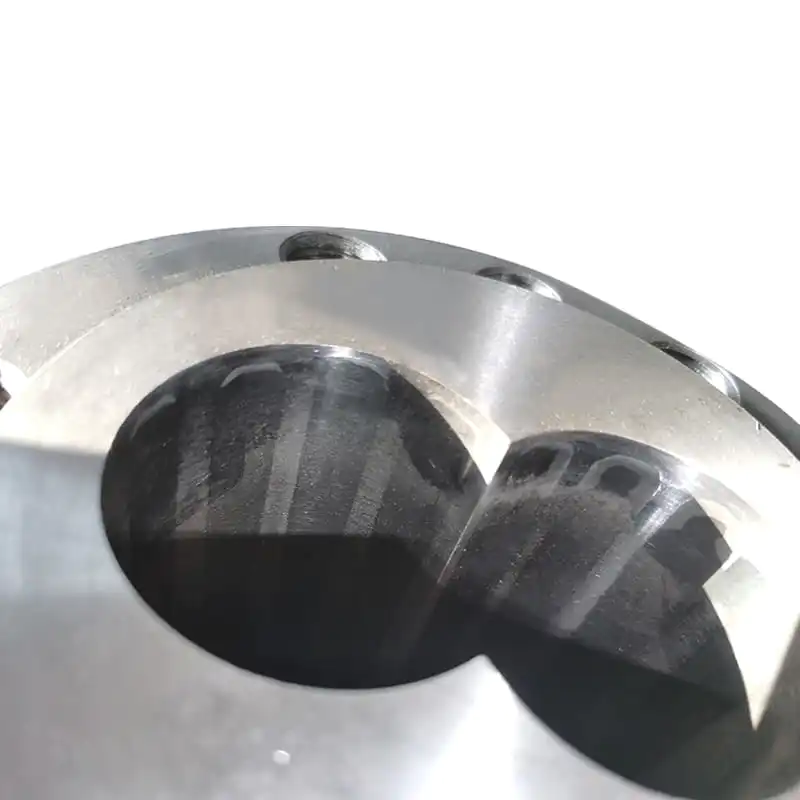
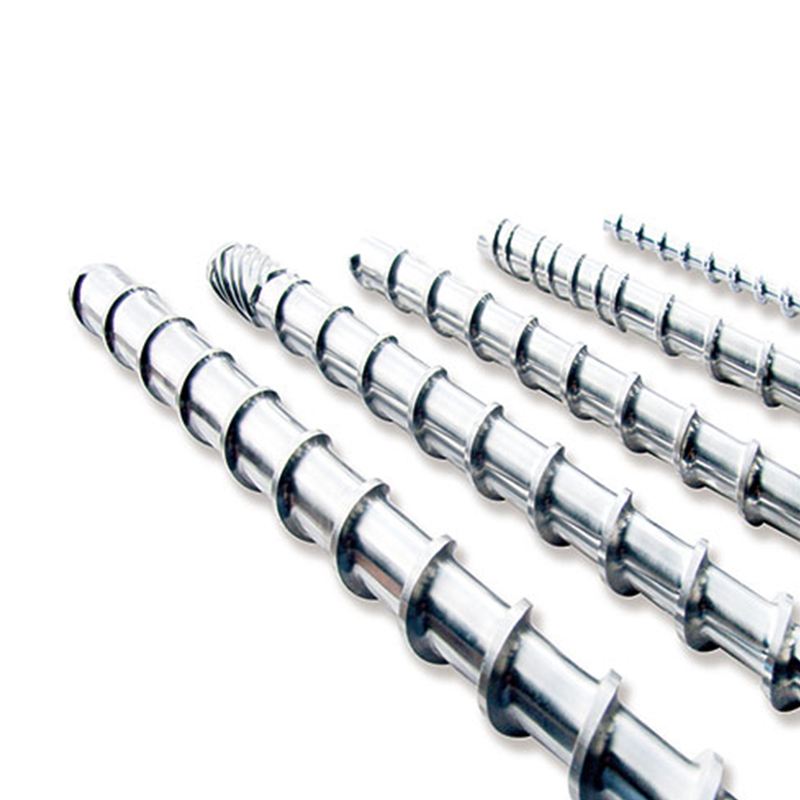
- Advanced screw and barrel designs for consistent melting and mixing.
- Efficient cooling systems to rapidly solidify pellets without deformation.
Installation Tips
- Ensure a stable power supply suitable for the machine’s capacity.
- Maintain proper alignment of extruder screws and dies for uniform pellet size.
- Regularly clean the machine to prevent contamination and maintain recycling efficiency.
Frequently Asked Questions (FAQ)
Can all types of plastic be processed by a Plastic Pelleting Machine?
Most thermoplastics such as PET, HDPE, LDPE, PP, and PS can be processed. Some specialized plastics may require tailored machines or temperature settings.
How does pellet size affect recycling efficiency?
Smaller, uniform pellets melt more consistently, improving the quality of recycled products and reducing energy consumption during reprocessing.
Is a Plastic Pelleting Machine suitable for small-scale recycling?
Yes, there are compact models designed for small facilities, though large-scale operations benefit more from high-capacity industrial machines.
What maintenance is required?
Regular cleaning of the extruder, die, and cutter is essential. Lubrication of moving parts and periodic inspection of the cooling system will ensure long-term efficiency.
Conclusion
The Plastic Pelleting Machine is a transformative technology in plastic recycling. By producing uniform, high-quality pellets, it enhances recycling efficiency, reduces waste, and supports sustainable manufacturing. Facilities that integrate pelletizing technology gain a significant advantage in cost savings, environmental impact, and product quality.