

 عربى
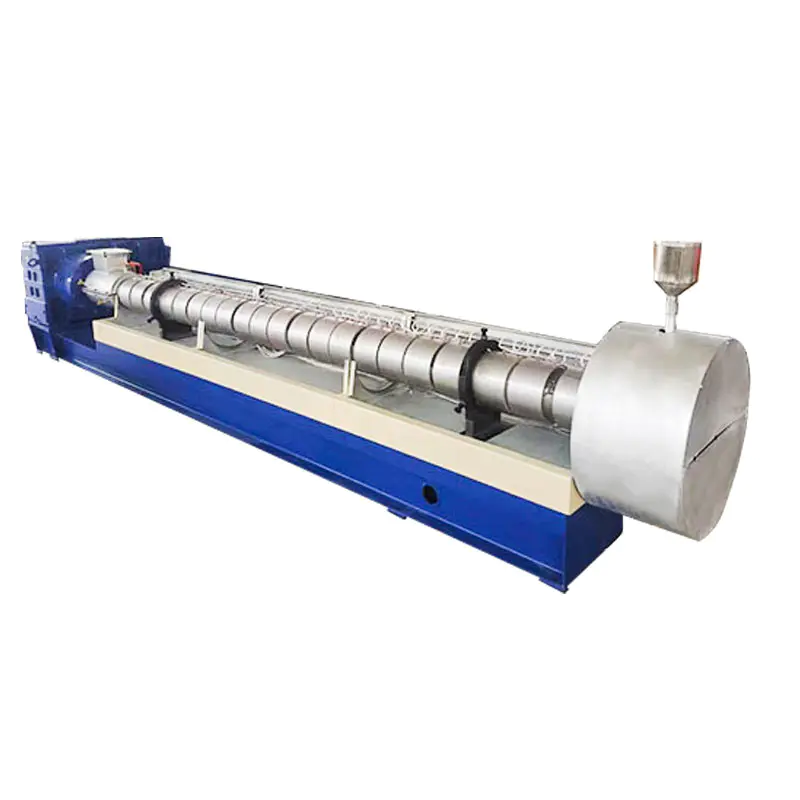
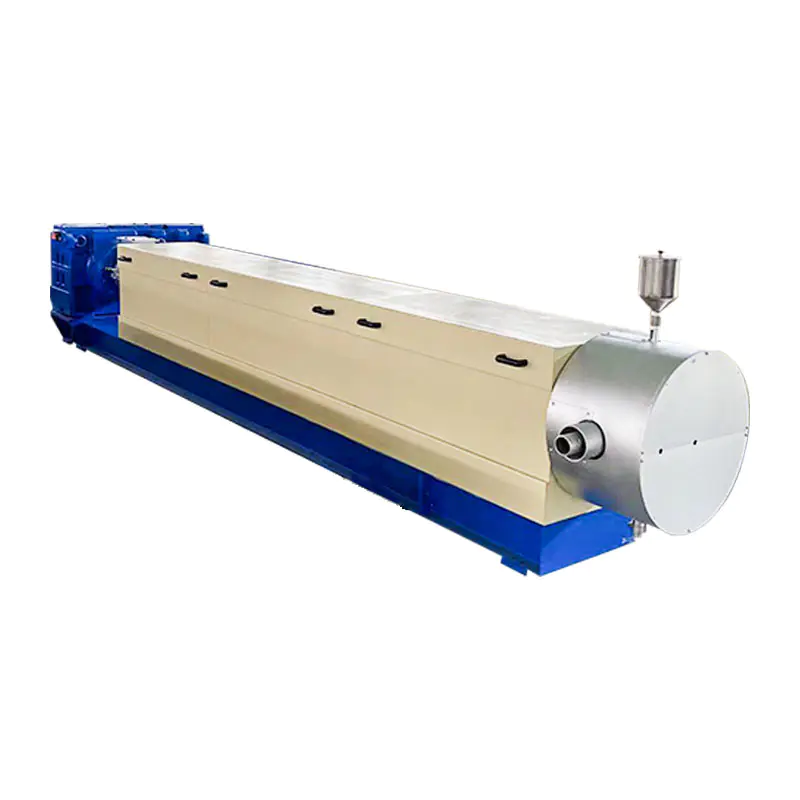
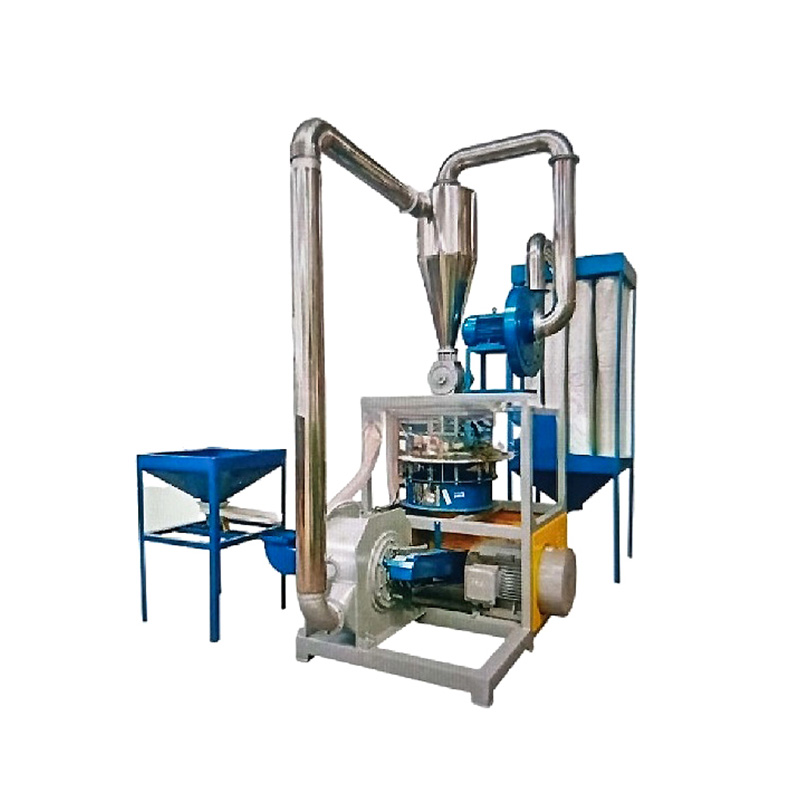
عربىAs global industries accelerate toward sustainability, cost efficiency, and material reuse, the Plastic Pelleting Machine has become a core piece of equipment across multiple sectors. By converting plastic waste, scraps, or virgin raw materials into uniform pellets, this machine supports recycling, compounding, and large-scale manufacturing in a highly efficient manner.
From packaging and automotive manufacturing to construction and consumer goods, plastic pellets serve as the standardized raw material that keeps production lines running smoothly. Understanding which industries rely most heavily on a Plastic Pelleting Machine helps manufacturers, recyclers, and investors better evaluate its value and application potential.
Content
- Understanding the Role of a Plastic Pelleting Machine
- Packaging Industry
- Plastic Recycling Industry
- Automotive Industry
- Construction and Building Materials Industry
- Consumer Goods and Household Products
- Electrical and Electronics Industry
- Medical and Healthcare Industry
- Agriculture Industry
- Comparison: Plastic Pelleting Machine vs Other Material Processing Methods
- How Different Industries Choose the Right Plastic Pelleting Machine
- Future Trends in Plastic Pelleting Applications
- Frequently Asked Questions (FAQ)
- Industry-Wide Importance of Plastic Pelleting Technology
Understanding the Role of a Plastic Pelleting Machine
A Plastic Pelleting Machine processes plastic materials—such as flakes, films, or regrinds—into evenly sized pellets. These pellets are easier to transport, store, melt, and mold, making them ideal for downstream processing like injection molding, extrusion, and blow molding.
Key Functions of Plastic Pelleting Equipment
- Standardizing plastic material into uniform pellet form
- Improving material flow and feeding accuracy
- Reducing waste and supporting circular economy models
- Enhancing production efficiency and quality consistency
Packaging Industry
The packaging sector is one of the largest users of the Plastic Pelleting Machine, driven by massive demand for plastic films, containers, bottles, and flexible packaging materials.
Why Packaging Manufacturers Depend on Plastic Pellets
- High-volume production requires stable, uniform raw materials
- Recycled pellets help reduce material costs
- Easy integration with extrusion and blow molding lines
Common materials processed include PE, PP, PET, and PS. Recycled plastic pellets are widely used in non-food packaging, industrial wrapping, and logistics materials.
Plastic Recycling Industry
The recycling industry relies almost entirely on Plastic Pelleting Machines to convert post-industrial and post-consumer plastic waste into reusable raw materials.
Core Applications in Recycling
- Processing washed plastic flakes into pellets
- Compounding recycled materials with additives
- Producing high-quality recycled pellets for resale
Advanced pelletizing systems help recyclers achieve consistent pellet size, improved melt flow, and reduced contamination, making recycled plastics more competitive with virgin materials.
Automotive Industry
The automotive sector increasingly adopts plastic components to reduce vehicle weight and improve fuel efficiency. A Plastic Pelleting Machine supports the production of engineered plastic compounds used in interior, exterior, and under-the-hood parts.
Automotive Plastic Applications
- Dashboards, panels, and trims
- Bumpers and exterior components
- Electrical housings and connectors
Automotive manufacturers often use reinforced plastic pellets, blended with glass fibers or minerals, produced through specialized pelletizing lines.
Construction and Building Materials Industry
The construction industry uses plastic pellets to manufacture durable, weather-resistant, and cost-effective building materials.
Typical Products Made from Plastic Pellets
- Pipes and fittings (PVC, HDPE)
- Insulation materials
- Flooring, wall panels, and profiles
With infrastructure development and urbanization continuing worldwide, demand for pelletized plastics in construction remains strong.
Consumer Goods and Household Products
From kitchenware to storage boxes and electronic casings, consumer goods manufacturers depend on Plastic Pelleting Machines to maintain stable mass production.
Benefits for Consumer Product Manufacturers
- Consistent color and material performance
- Reduced production defects
- Scalable production for global markets
Pelletized plastic allows manufacturers to quickly adjust formulas for strength, flexibility, or appearance.
Electrical and Electronics Industry
The electronics sector uses large quantities of precision plastic components that require strict material standards. A Plastic Pelleting Machine helps produce flame-retardant and anti-static plastic pellets.
Key Uses in Electronics Manufacturing
- Appliance housings
- Cable insulation
- Connectors and circuit protection components
Material consistency is critical, making high-quality pelletizing systems essential for this industry.
Medical and Healthcare Industry
Although subject to strict regulations, the medical industry also utilizes plastic pellets for producing disposable and reusable medical devices.
Typical Medical Plastic Products
- Syringes and tubing
- Medical packaging
- Laboratory containers
Medical-grade plastic pellets require advanced pelletizing technology to ensure purity, consistency, and traceability.
Agriculture Industry
The agriculture sector uses plastic pellets to produce films, irrigation systems, and storage solutions.
Agricultural Applications
- Greenhouse films
- Drip irrigation pipes
- Plastic crates and containers
Recycled pellets are increasingly used to reduce costs and environmental impact.
Comparison: Plastic Pelleting Machine vs Other Material Processing Methods
Plastic Pelleting Machine
- Produces uniform, easy-to-handle pellets
- High efficiency for continuous production
- Suitable for recycling and compounding
Direct Flake Processing
- Lower initial investment
- Inconsistent feeding and melting
- Higher defect rates in finished products
For industries focused on quality, scalability, and automation, pelletizing remains the preferred solution.
How Different Industries Choose the Right Plastic Pelleting Machine
Key Selection Factors
- Type of plastic material (PP, PE, PET, ABS, PVC)
- Output capacity requirements
- Energy efficiency and automation level
- Recycling vs virgin material processing
Each industry has unique performance and compliance requirements, influencing machine configuration.
Future Trends in Plastic Pelleting Applications
As sustainability regulations tighten, more industries are investing in advanced Plastic Pelleting Machines capable of handling mixed plastics, biodegradable materials, and high-recycled-content formulations.
- Growth in closed-loop recycling systems
- Increased demand for customized plastic compounds
- Integration with smart manufacturing technologies
Frequently Asked Questions (FAQ)
Which industry uses the most Plastic Pelleting Machines?
The recycling and packaging industries account for the largest share due to high plastic consumption and waste recovery needs.
Can one Plastic Pelleting Machine serve multiple industries?
Yes. With proper configuration, a single machine can process various materials and serve multiple applications.
Are recycled plastic pellets suitable for high-end products?
With advanced pelletizing and filtration systems, recycled pellets can meet stringent quality requirements.
What materials are most commonly processed?
PE, PP, PET, ABS, PVC, and PS are among the most widely pelletized plastics.
Is a Plastic Pelleting Machine suitable for small manufacturers?
Compact and modular pelletizing systems are available for small and medium-sized operations.
Industry-Wide Importance of Plastic Pelleting Technology
Across manufacturing, recycling, construction, automotive, and consumer goods sectors, the Plastic Pelleting Machine remains a foundational technology. Its ability to standardize materials, reduce waste, and support large-scale production makes it indispensable in modern industrial ecosystems.
As global industries continue to evolve toward efficiency and sustainability, demand for reliable plastic pelletizing solutions is expected to remain strong across a broad range of applications.