

 عربى
عربىContent
Overview
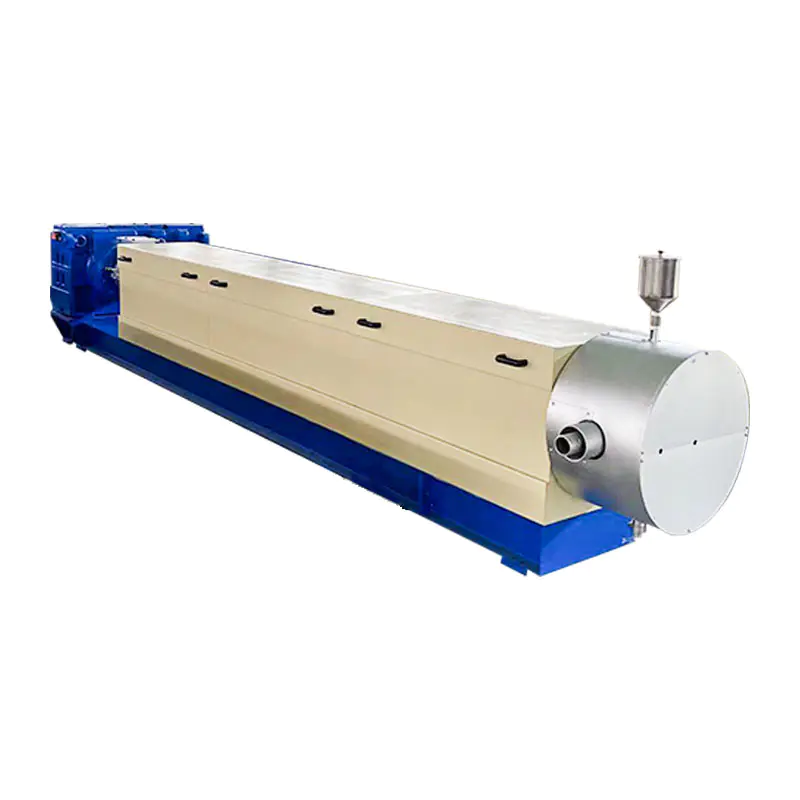
A Plastic Pelleting Machine plays a vital role in plastic recycling and granulation lines, transforming raw plastic materials into uniform pellets for further processing. To maintain stable output, reduce downtime, and extend equipment life, routine maintenance is essential. Understanding what daily maintenance includes helps factories improve efficiency and lower operational costs.
Key Daily Maintenance Tasks
1. Cleaning the Feeding System
The feeding hopper and conveyor should be checked and cleaned to prevent material buildup. Residual plastics or contaminants can cause unstable feeding, leading to inconsistent pellet size.
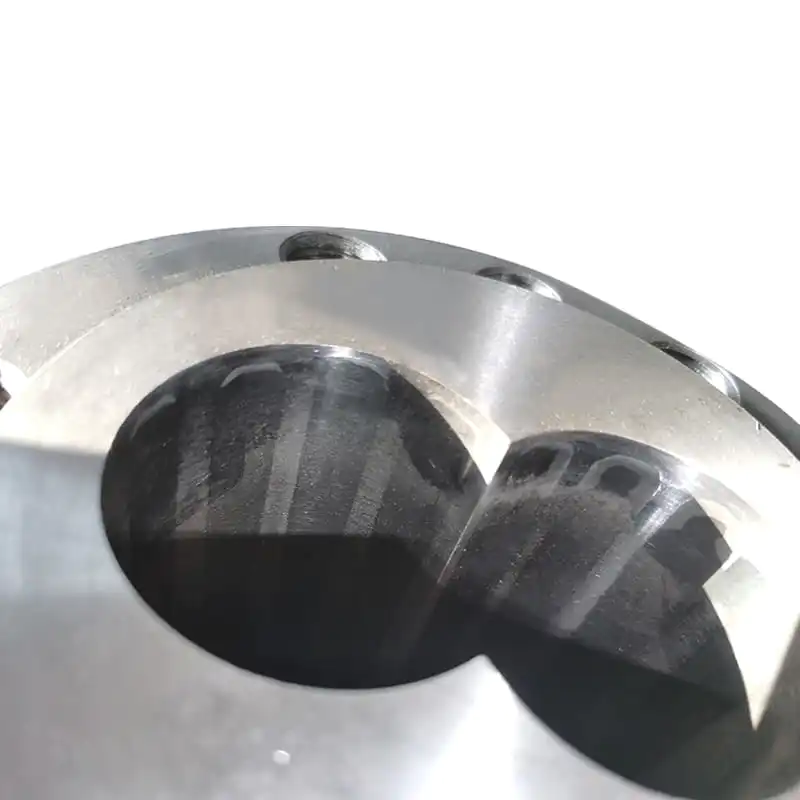
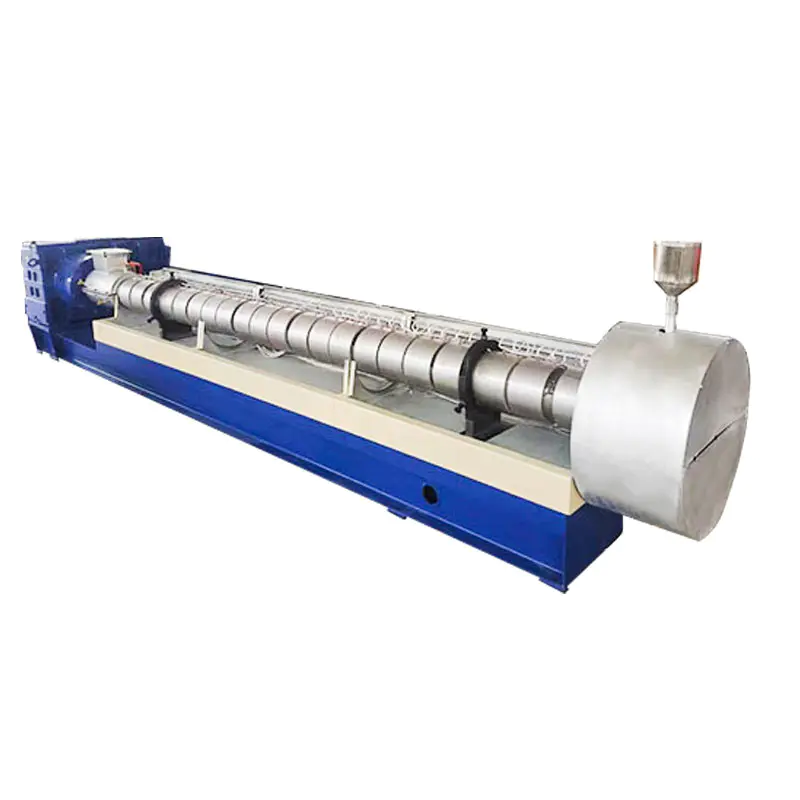
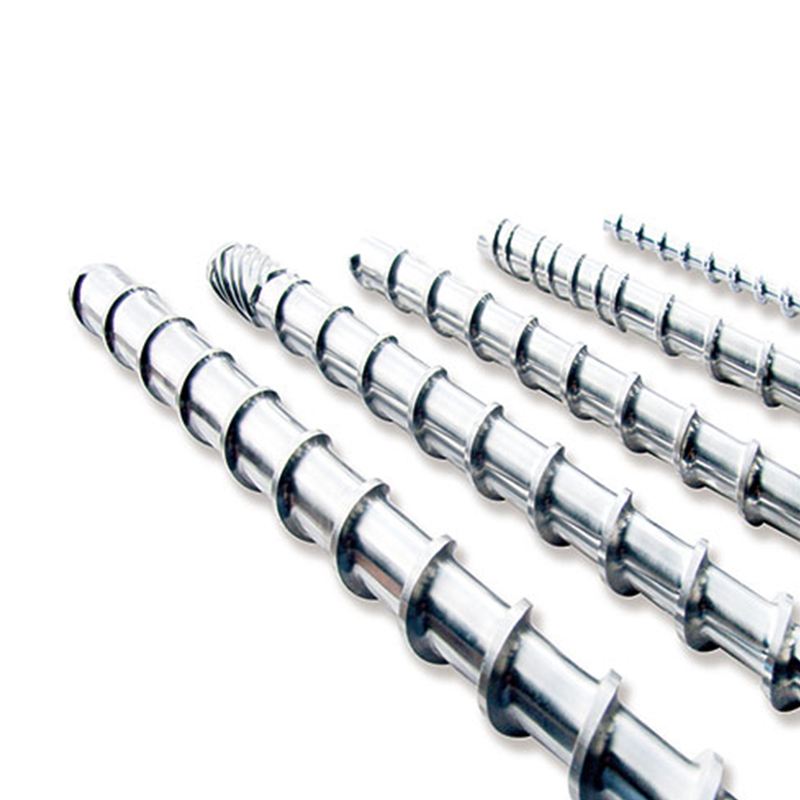
2. Inspecting the Extruder Barrel and Screw
- Ensure there is no abnormal noise during operation.
- Check for wear on the screw surface.
- Confirm that the temperature control is accurate and stable.
Regular inspection keeps the Plastic Pelleting Machine running smoothly and prevents early wear of key components.
3. Lubricating Moving Parts
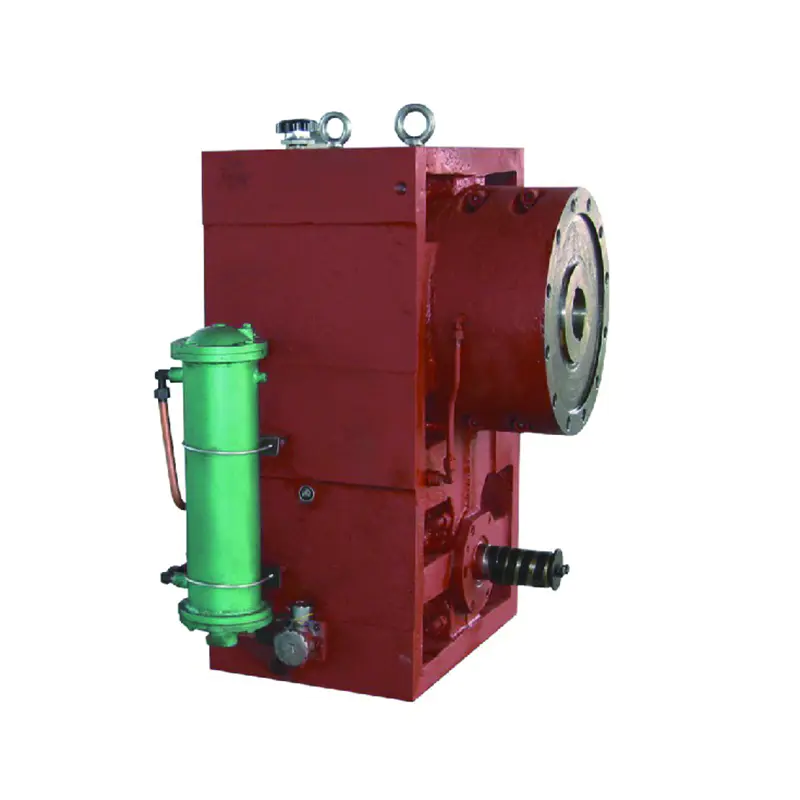
Bearings, gears, and transmission components require proper lubrication every day. Adequate lubrication reduces friction, minimizes mechanical wear, and enhances the machine’s operational lifespan.
4. Monitoring the Cutting System
The pelletizing cutter must remain sharp and properly aligned. Dull blades cause irregular pellet shapes and overheating. Checking the cutter’s tightness and sharpness ensures consistent pellet quality.
5. Checking the Cooling System
Depending on the machine type—air-cooled, water-cooled, or strand-cooling—the cooling system must function efficiently. Daily checks should confirm:
- Stable water flow in water-cooled systems
- Clean air filters in air-cooled systems
- No leaks in pipes or fittings
6. Observing Electrical and Control Panels
Loose cables or faulty sensors can cause sudden shutdowns. Daily inspection ensures safety and operational stability. Any unusual indicator light or error code should be recorded and addressed promptly.
Comparison: Daily vs. Weekly Maintenance
| Maintenance Type | Daily Tasks | Weekly Tasks |
|---|---|---|
| Scope | Basic checks and cleaning | Deeper inspection and calibration |
| Time Required | 5–20 minutes | 1–3 hours |
| Focus Components | Feeder, cutter, lubrication, sensors | Screw wear, gearbox, heating rings, motor |
| Impact | Reduces minor faults | Prevents long-term failures |
Why Daily Maintenance Matters
Routine maintenance not only keeps the Plastic Pelleting Machine operating safely but also reduces unplanned downtime. Factories report up to 20–40% longer machine life when daily checks are performed consistently.
FAQ
Q1: How often should the cutter blades be replaced?
It depends on the production material. Soft plastics require less frequent replacement, while abrasive materials like filled plastics may require weekly blade changes.
Q2: What signs indicate the screw of a Plastic Pelleting Machine needs maintenance?
Unstable extrusion pressure, reduced output, or inconsistent pellet size often signal screw wear or contamination.
Q3: Is daily lubrication necessary?
Yes. Key motion components rely on proper lubrication to avoid wear and overheating, especially in high-output production lines.
Q4: Can poor cooling affect pellet quality?
Absolutely. Insufficient cooling leads to deformities, sticky pellets, or clogging in the cutting chamber.
Conclusion
Daily maintenance of a Plastic Pelleting Machine is essential for stable production, long equipment life, and consistent pellet quality. Regular routine checks help manufacturers prevent unexpected failures while optimizing overall operational efficiency.