

 عربى
عربىContent
Introduction to Plastic Pelleting Machine
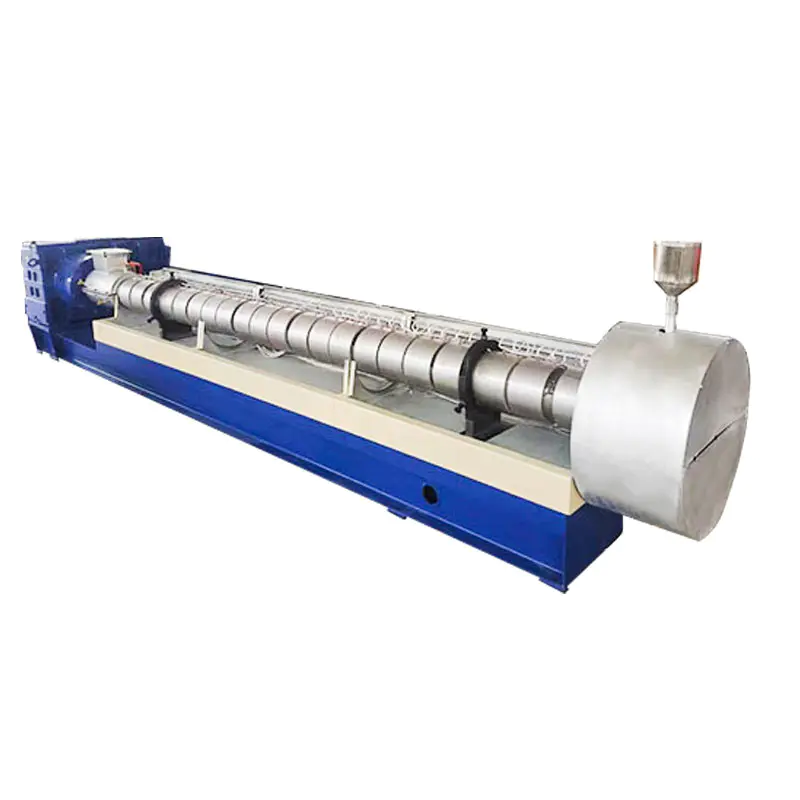
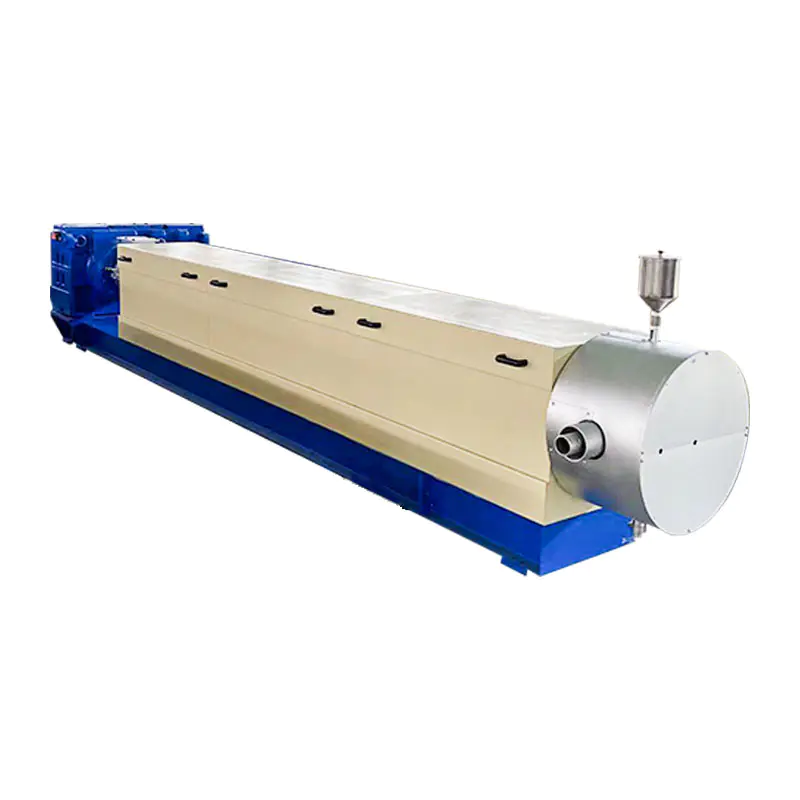
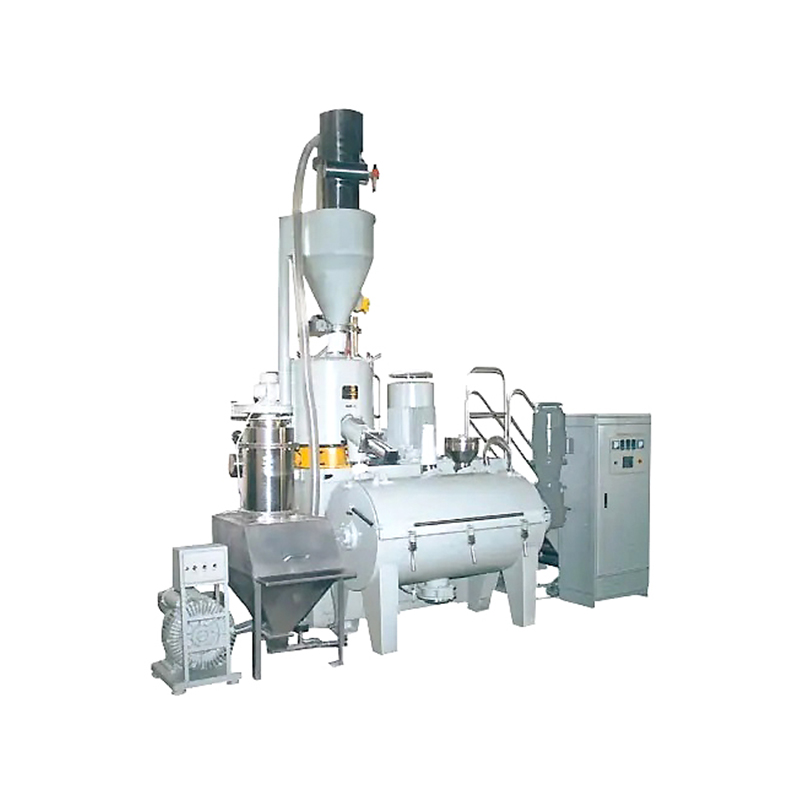
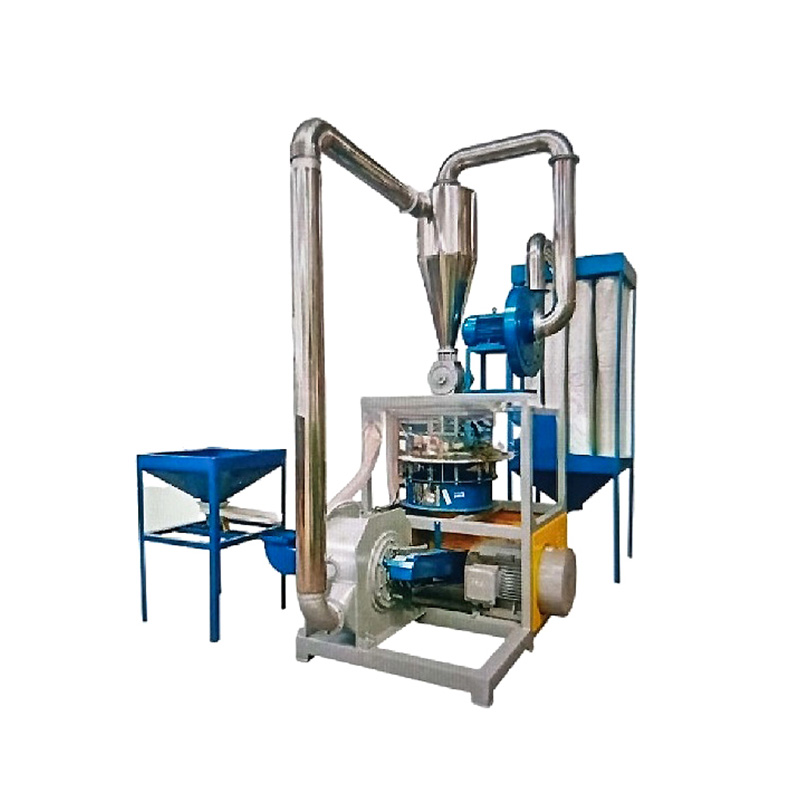
The Plastic Pelleting Machine is a vital piece of equipment in the plastics industry, designed to transform raw or recycled plastic materials into uniform pellets. These pellets are essential for further manufacturing processes, including injection molding, extrusion, and blow molding.
Key Applications of Plastic Pelleting Machine
This machine can process a wide range of plastic materials, making it a versatile tool for manufacturers.
1. Thermoplastics
Thermoplastics are widely used in various industries. The Plastic Pelleting Machine efficiently processes materials such as:
- Polyethylene (PE)
- Polypropylene (PP)
- Polystyrene (PS)
- Polyvinyl Chloride (PVC)
- Polyethylene Terephthalate (PET)
These materials can be transformed into high-quality pellets for consumer goods, packaging, and industrial components.
2. Recycled Plastics
The machine is ideal for recycling applications. It can handle:
- Post-consumer plastic bottles
- Plastic scraps from production lines
- Mixed plastic waste after sorting
Recycling with a Plastic Pelleting Machine reduces waste and creates reusable raw materials for new products.
3. Specialty Plastics
For high-performance applications, the machine can process specialty plastics such as:
- Engineering plastics like ABS, PC, and Nylon
- Biodegradable plastics like PLA
- Filled plastics with additives or colorants
This versatility allows manufacturers to produce tailored pellets that meet specific industry standards.
Advantages of Using a Plastic Pelleting Machine
- Uniform pellet size for consistent processing
- Efficient handling of diverse plastic types
- Reduction of material waste
- Cost-effective production for small and large-scale operations
- Enhanced recycling capabilities for sustainable manufacturing
FAQ About Plastic Pelleting Machine
Q1: Can it process both virgin and recycled plastics?
Yes, the Plastic Pelleting Machine is designed to handle both virgin raw materials and recycled plastics efficiently.
Q2: What industries benefit from this machine?
Industries such as packaging, automotive, electronics, and construction benefit from pelletized plastics for molding, extrusion, and other manufacturing processes.
Q3: How does it improve recycling?
By converting plastic waste into uniform pellets, the machine enables easy reuse and reduces environmental impact, promoting a circular economy.
Q4: Are there options for customizing pellet size?
Yes, most machines allow operators to adjust pellet size according to production requirements, ensuring compatibility with different downstream applications.
Conclusion
The Plastic Pelleting Machine is a versatile and efficient solution for processing a wide range of plastics, from thermoplastics to recycled and specialty materials. Its ability to produce uniform pellets, reduce waste, and support sustainable manufacturing makes it an essential tool for modern plastic industries.