

 عربى
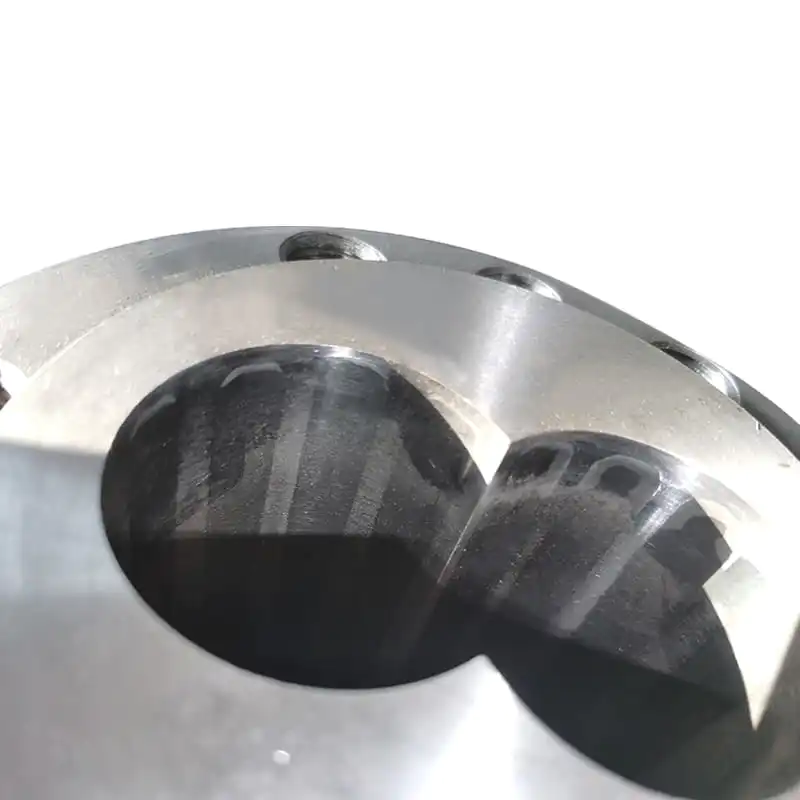
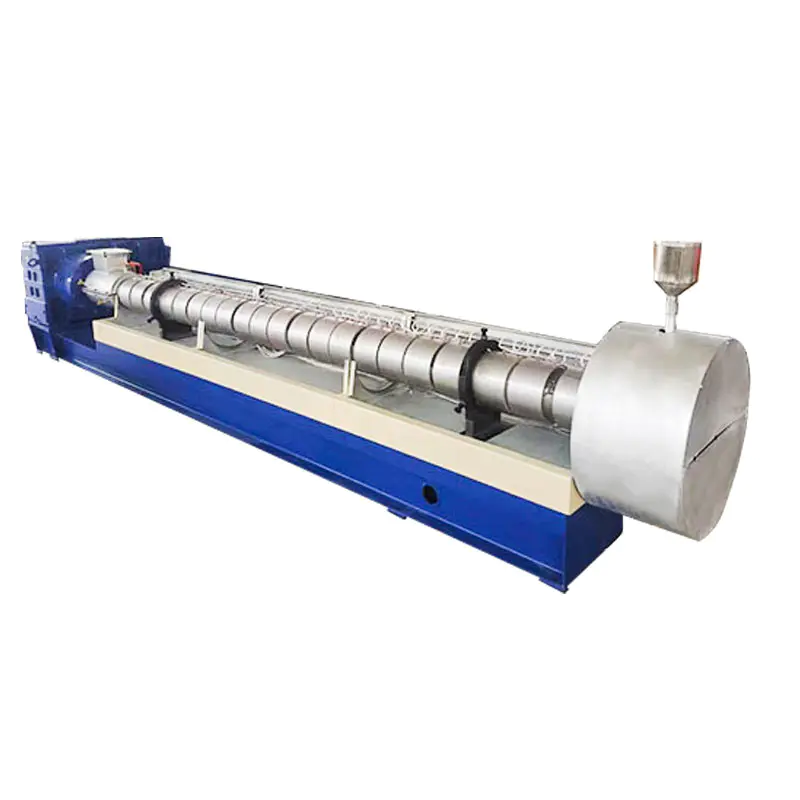
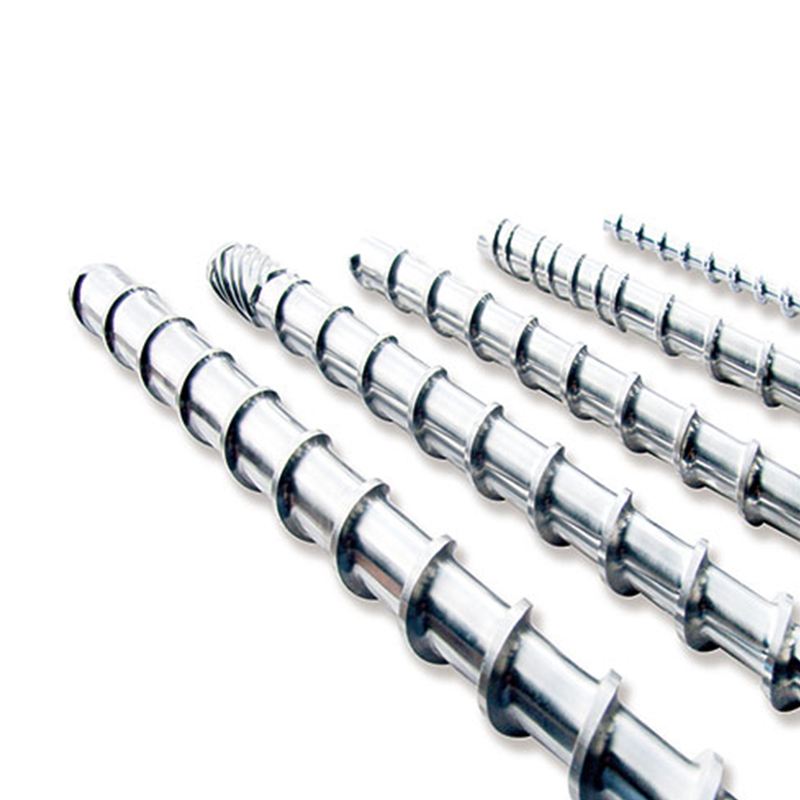
عربىThe conical screw barrel has become an essential component in modern extrusion processing, especially for PVC pipes, profiles, and sheet production. Its unique geometry — featuring screws that taper from a larger diameter at the feed zone to a smaller diameter at the output end — delivers a series of mechanical and processing advantages that conventional parallel twin-screw systems cannot fully replicate.
Content
- 1. Superior Plasticizing and Melting Efficiency
- 2. Precise Pressure Build-Up and Output Stability
- 3. Compact Drive System and Reduced Mechanical Stress
- 4. Extended Service Life of the Screw and Barrel
- 5. Gentle Processing for Heat-Sensitive Materials
- 6. Key Performance Comparison: Conical vs. Parallel Screw Barrel
- 7. Wide Application Range in Extrusion Lines
- 8. Factors to Consider When Selecting a Conical Screw Barrel
- Conclusion
1. Superior Plasticizing and Melting Efficiency
One of the most recognized benefits of a conical screw barrel is its ability to achieve highly efficient plasticization. The large-diameter feed section provides a greater surface area for material intake and initial heating, while the decreasing screw diameter gradually increases pressure and shear force as the material moves toward the die.
This progressive compression ensures that materials — especially heat-sensitive resins like rigid PVC — are thoroughly and evenly melted without overheating or degradation.
2. Precise Pressure Build-Up and Output Stability
The tapered geometry of a conical screw barrel naturally generates a steady and controlled pressure gradient along its length. Unlike parallel screws, which require additional mechanical measures to build sufficient head pressure, conical screws inherently develop the pressure needed to push melt through complex die geometries.
This results in more consistent output, reduced pulsation, and improved dimensional accuracy in the final extruded product.
3. Compact Drive System and Reduced Mechanical Stress
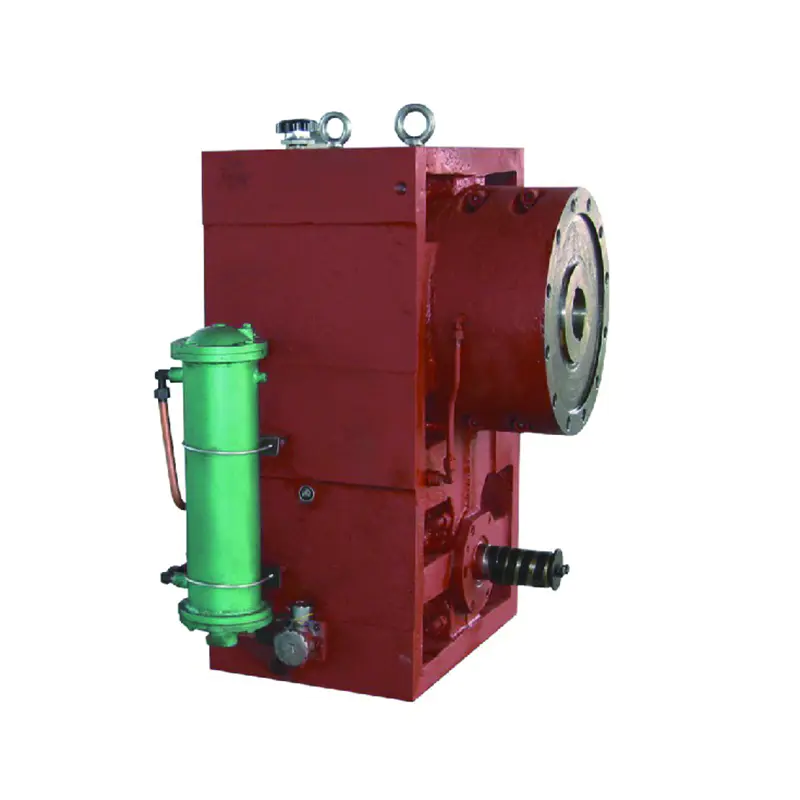
The wider spacing between the screw shafts at the drive end — a direct result of the conical design — allows for larger, more robust gearboxes to be integrated without significantly increasing the machine's overall footprint. This configuration:
- Reduces torque concentration on individual components
- Extends the service life of bearings and gear sets
- Allows higher torque transmission at lower speeds
- Minimizes vibration and mechanical noise during operation
The result is a drive system that operates under less stress, contributing directly to longer machine uptime and lower maintenance costs.
4. Extended Service Life of the Screw and Barrel
The wear rate in a conical screw barrel is more evenly distributed across its working surface than in parallel configurations. Because the output end is narrower and operates at lower rotational speed relative to the feed end, abrasive wear is reduced where the melt pressure is highest.
High-performance surface treatments — such as bimetallic barrel linings and nitrided or tungsten-carbide-coated screw surfaces — further enhance durability, particularly when processing compounds containing abrasive fillers like calcium carbonate or glass fiber.
5. Gentle Processing for Heat-Sensitive Materials
Rigid PVC and other thermally sensitive resins demand careful temperature management throughout the extrusion process. The conical screw barrel design naturally limits excessive shear heating because the output-end diameter is smaller, reducing peripheral velocity at the point of highest pressure.
This low-shear, high-pressure characteristic is what makes the conical twin-screw extruder the preferred choice for PVC window profiles, drainage pipes, and foam board production lines worldwide.
6. Key Performance Comparison: Conical vs. Parallel Screw Barrel
The table below summarizes the primary differences between a conical screw barrel and a conventional parallel twin-screw barrel across critical performance parameters:
| Performance Parameter | Conical Screw Barrel | Parallel Twin-Screw Barrel |
| Pressure Build-Up | Natural, progressive | Requires additional design measures |
| Shear Heating | Lower at output zone | More uniform but higher overall |
| Drive System Size | Compact, larger gearbox possible | Constrained by parallel shaft spacing |
| Suitability for Rigid PVC | Excellent | Moderate |
| Output Consistency | High, low pulsation | Good, varies by design |
| Wear Distribution | Gradual, extended screw life | Concentrated at mixing zones |
7. Wide Application Range in Extrusion Lines
A high-quality conical screw barrel supports a broad spectrum of extrusion applications, including:
Common Extrusion Products That Rely on Conical Screw Barrel Technology:
- PVC pressure pipes and drainage pipes
- PVC window profiles and door frames
- WPC (wood-plastic composite) decking and fencing
- PVC foam sheets and rigid boards
- Electrical conduit and cable ducting
- Corrugated pipes and agricultural irrigation tubes
The adaptability of the conical screw barrel across these product categories makes it one of the most versatile and cost-effective investments for PVC and compound extrusion operations.
8. Factors to Consider When Selecting a Conical Screw Barrel
Not all conical screw barrel assemblies deliver the same results. Key selection criteria include:
Material and Surface Treatment
Nitrided steel provides good baseline hardness, while bimetallic or tungsten carbide options offer significantly superior wear resistance for compounded or filled materials.
L/D Ratio and Geometry
The length-to-diameter ratio of the conical screw directly affects plasticizing capacity and residence time. Longer L/D ratios suit applications requiring complete homogenization of multi-component blends.
Manufacturer Precision Standards
Tight tolerances between screw flights and barrel bore are critical. Even minor deviations result in melt leakage, reduced output, and accelerated wear. Always verify the machining standards and quality certifications of the supplier.
Conclusion
The conical screw barrel delivers a combination of advantages — efficient plasticization, stable pressure output, reduced thermal degradation, compact drive mechanics, and extended component life — that make it the dominant choice for PVC and specialty compound extrusion lines. Understanding these benefits allows processors and equipment buyers to make more informed decisions when configuring or upgrading their extrusion systems.
Selecting the right conical screw barrel specification for your material and output requirements is a critical step toward achieving consistent product quality, lower operating costs, and longer machine service intervals.