

 عربى
عربىThe short answer is that a plastic pelleting machine bridges the gap between environmental waste and industrial raw materials by converting discarded polymers into high-quality, reusable granules. As global regulations on plastic waste tighten and the demand for recycled content in manufacturing skyrockets, this technology has evolved from a niche recycling tool into a high-yield industrial investment that offers both sustainability and significant profit margins.
Content
- How Does a Plastic Pelleting Machine Transform Waste into Wealth?
- What are the Technical Specifications that Define a High-Performance Plastic Pelleting Machine?
- How Does the ROI of a Plastic Pelleting Machine Compare to Traditional Disposal?
- Single-Stage vs. Double-Stage Plastic Pelleting Machines: Which is Better?
- What are the Key Maintenance Steps for Longevity?
- Future Trends: Intelligence and Automation
- Frequently Asked Questions (FAQ)
- Conclusion
How Does a Plastic Pelleting Machine Transform Waste into Wealth?
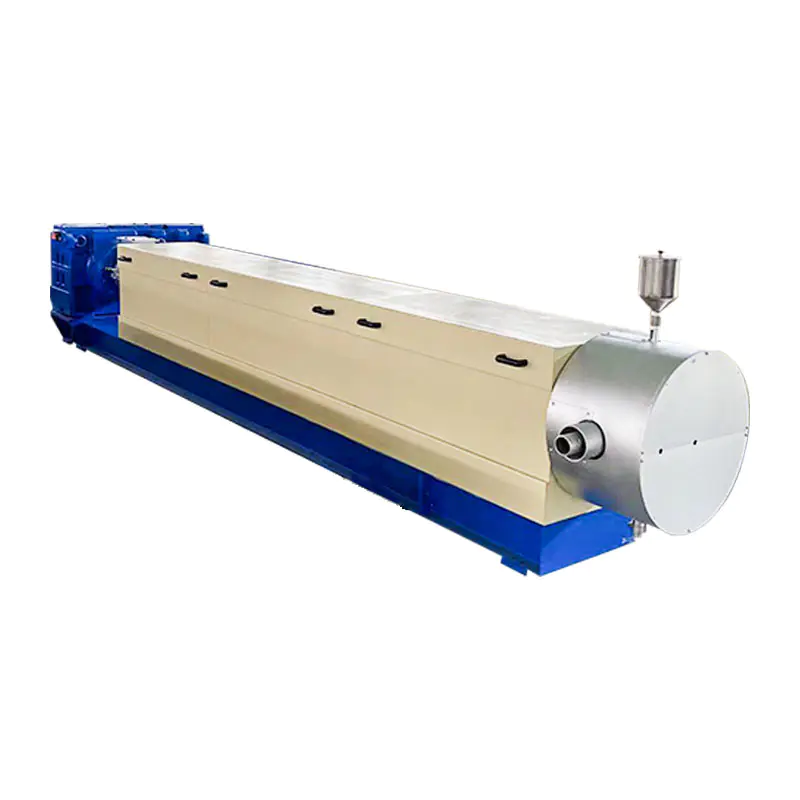
The primary function of a plastic pelleting machine is to melt, filter, and extrude plastic scrap into uniform pellets that can be seamlessly reintroduced into injection molding or film blowing lines. By standardizing the physical properties of waste plastic—such as PE, PP, or ABS—the machine ensures that the resulting "secondary" raw material maintains the structural integrity required for new product fabrication.
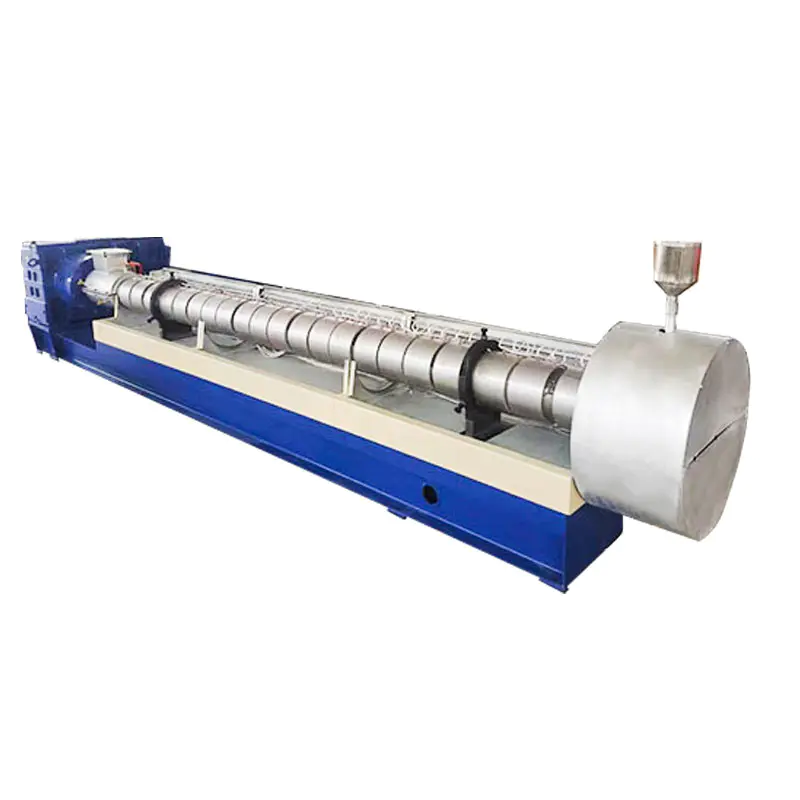
The process typically begins with the feeding of crushed or washed plastic flakes into a hopper. Inside the barrel, a high-precision screw uses a combination of mechanical shear and thermal energy to transition the solid plastic into a molten state. Advanced plastic pelleting machine models utilize multiple heating zones (often electromagnetic or ceramic) to ensure a consistent melt temperature, which is critical for preventing material degradation. Once molten, the plastic is forced through a filtration system—often a hydraulic screen changer—to remove impurities like paper, metal, or non-target polymers.
Finally, the purified melt is pushed through a die head. Depending on the material's viscosity and the desired output, the machine uses either water-strand cutting, water-ring pelletizing, or underwater pelletizing. For instance, high-density polyethylene (HDPE) often benefits from water-ring systems, which produce aesthetic, uniform "button" pellets that are highly favored by industrial buyers.
What are the Technical Specifications that Define a High-Performance Plastic Pelleting Machine?
A high-performance plastic pelleting machine is defined by its screw-to-barrel ratio (L/D ratio), degassing efficiency, and energy-to-output conversion rate. Modern industrial units typically feature L/D ratios between 28:1 and 36:1, allowing for sufficient residence time to ensure a homogeneous melt and effective removal of volatiles through vacuum degassing ports.
| Feature | Standard Specification | High-End Specification |
| Screw Material | 38CrMoAlA Nitrided | Bimetallic Alloy Coating |
| Heating Method | Ceramic/Cast Aluminum | Electromagnetic Induction |
| Degassing System | Single Natural Vent | Dual Vacuum Degassing |
| Pelletizing Style | Strand Cutting | Automatic Water-Ring |
Comparison of standard vs. high-efficiency components in a plastic pelleting machine.
The Importance of the Screw and Barrel
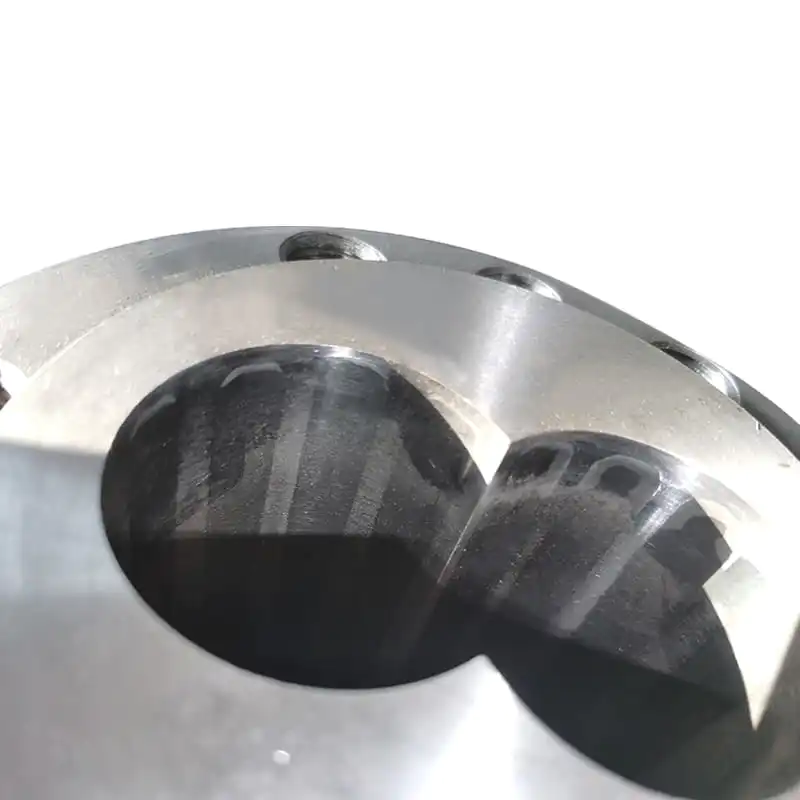
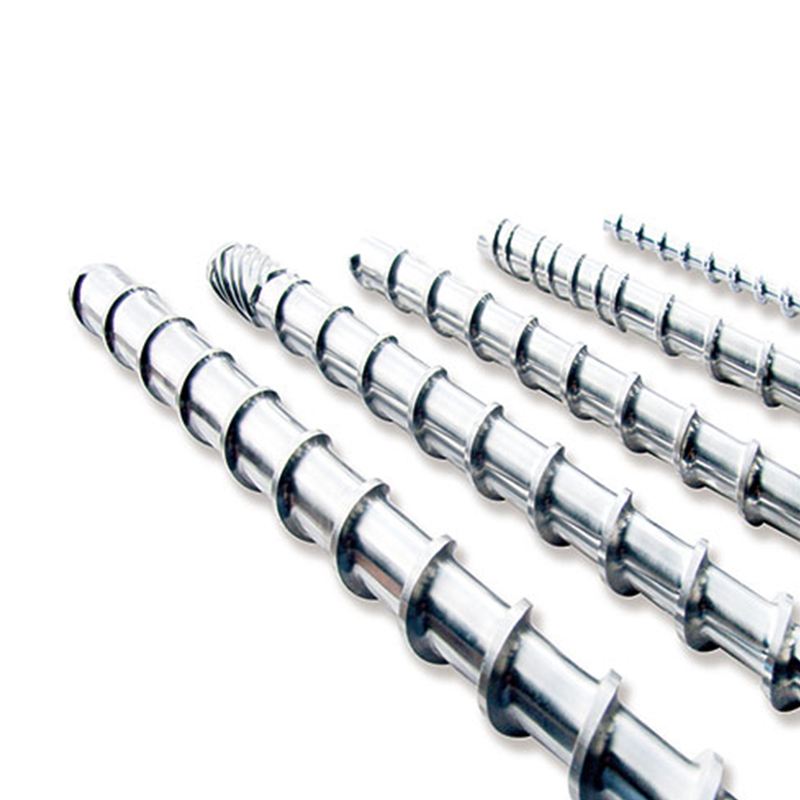
The heart of any plastic pelleting machine is the screw. For processing recycled materials, which often contain varying levels of moisture and contaminants, a "barrier" screw design is often employed. This design separates the solid bed from the melt pool, preventing un-melted fragments from reaching the die. Furthermore, bimetallic barrels—which use a centrifugal casting process to apply a wear-resistant alloy layer—can extend the machine's lifespan by 3-5 times compared to standard nitrided barrels, especially when processing abrasive materials like glass-filled polymers or heavily printed films.
How Does the ROI of a Plastic Pelleting Machine Compare to Traditional Disposal?
Investing in a plastic pelleting machine offers a significantly higher return on investment (ROI) compared to landfilling or simple waste baling, as it captures the "value-added" stage of the supply chain. While baling waste plastic might yield a few hundred dollars per ton, high-quality recycled pellets can command prices that are 60-80% of the price of virgin resin, which often fluctuates between $1,200 and $1,800 per ton depending on market conditions.
Consider a facility processing 500kg per hour of PE film waste. At an operational rate of 20 hours per day, a plastic pelleting machine produces 10 tons of pellets daily. If the margin between the cost of raw waste (plus electricity and labor) and the sale price of pellets is $300 per ton, the daily profit reaches $3,000. For a medium-sized enterprise, the capital expenditure on the machine can often be recouped within 6 to 12 months, depending on local utility costs and material sourcing stability.
Single-Stage vs. Double-Stage Plastic Pelleting Machines: Which is Better?
The choice between a single-stage and a double-stage (mother-baby) plastic pelleting machine depends entirely on the moisture content and contamination levels of your input material. Single-stage machines are ideal for clean, dry factory scrap, while double-stage systems are the industry standard for post-consumer waste that requires intensive degassing and secondary filtration.
| Feature | Single-Stage System | Double-Stage (Mother-Baby) |
| Material Suitability | Clean, Dry Industrial Scrap | Dirty, Moist Post-Consumer Waste |
| Degassing Power | Moderate | Superior (Two-Stage Venting) |
| Filtration | Single Screen Changer | Dual Screen Changers |
| Energy Consumption | Lower | Higher (Two Motors) |
Operational comparison between single-stage and double-stage plastic pelleting machine configurations.
What are the Key Maintenance Steps for Longevity?
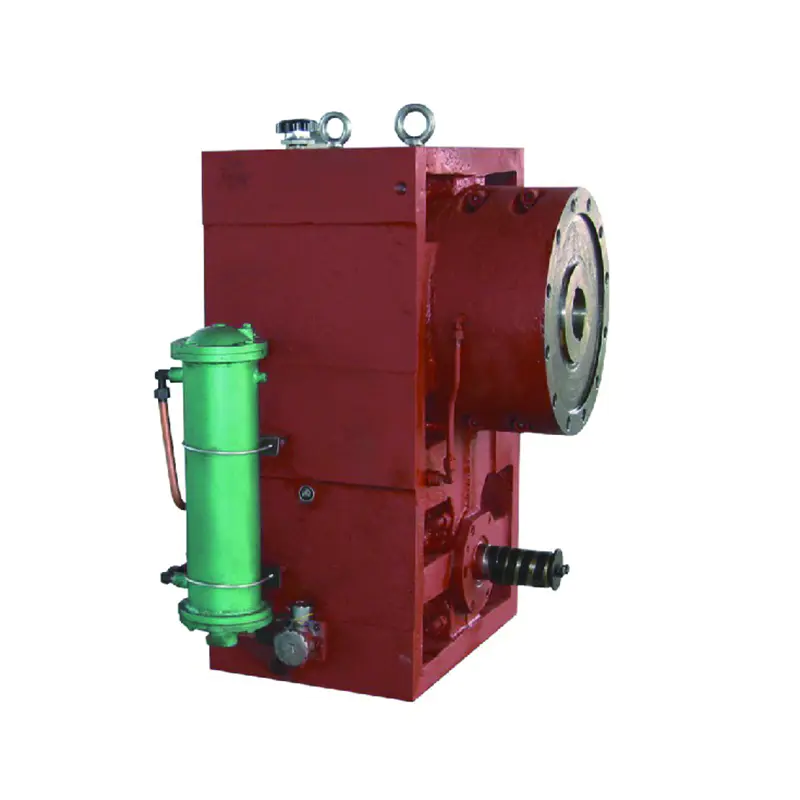
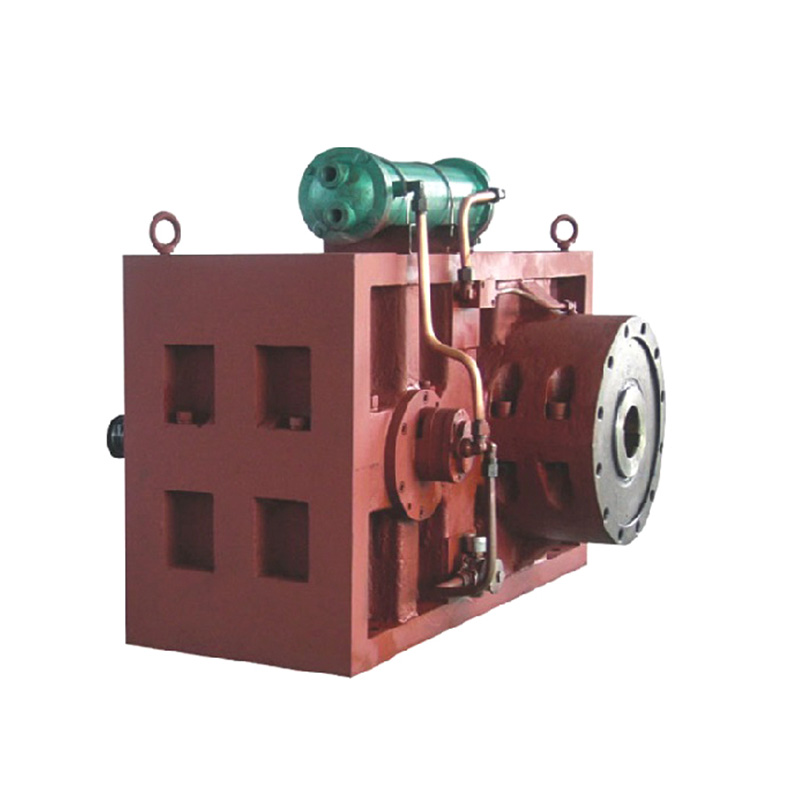
To ensure a plastic pelleting machine operates for decades, operators must prioritize gearbox lubrication, heater band inspections, and screw cleaning. The gearbox is the most expensive mechanical component; using high-grade synthetic gear oil and monitoring for vibration can prevent catastrophic failures caused by the extreme torque required for extrusion.
- Weekly Heater Checks: Ensure all zones are reaching set temperatures. A failed heater band in the middle of the barrel can cause "un-melt" which damages the screw.
- Hydraulic System Maintenance: For machines with hydraulic screen changers, check for oil leaks and ensure the accumulator is charged to maintain fast screen swap times.
- Screw Purging: Always use a purging compound or high-viscosity resin when shutting down to prevent carbonization of plastic on the screw flights.
Future Trends: Intelligence and Automation
The next generation of the plastic pelleting machine is defined by Industry 4.0 integration, including AI-driven temperature control and remote diagnostic capabilities. By utilizing sensors that monitor melt pressure and motor load in real-time, these machines can automatically adjust the screw speed to compensate for variations in feed material density. This reduces the reliance on highly skilled operators and ensures a consistent product quality that meets the rigorous standards of global manufacturers.
Frequently Asked Questions (FAQ)
1. Can one plastic pelleting machine handle all types of plastic?
While a plastic pelleting machine can be adjusted for different polymers, it is not "one size fits all." Different plastics have different melting points and flow rates (MFI). For example, a screw designed for PE/PP may not be suitable for PET, which requires much higher temperatures and specialized vacuum crystallization to prevent hydrolytic degradation. Most experts recommend dedicated lines for different resin families to avoid cross-contamination.
2. How much moisture can a pelletizing line handle?
Standard machines with a single vent can handle 2-5% moisture. If your material is washed and remains wet (up to 10-15%), you will need a plastic pelleting machine equipped with a force feeder and multiple vacuum degassing ports to prevent the pellets from becoming porous or "foamy."
3. What is the average lifespan of a screw and barrel?
With clean material and proper maintenance, a nitrided screw can last 12-18 months of continuous operation. A bimetallic screw and barrel set can last 36 months or longer, significantly reducing long-term maintenance costs and downtime.
4. Why are my pellets sticking together?
This is usually a cooling issue. If the water temperature in the cooling tank or water-ring system is too high, the pellets do not solidify quickly enough before they touch each other. Increasing the water flow or adding a specialized chiller to the plastic pelleting machine setup can solve this immediately.
Conclusion
In conclusion, the plastic pelleting machine is the most critical asset for any business looking to capitalize on the recycling revolution. By transforming "trash" into a standardized industrial commodity, it provides a hedge against virgin resin price volatility while meeting the ESG (Environmental, Social, and Governance) goals of modern corporations. Whether you are a small startup or a large-scale industrial processor, selecting the right machine configuration—focused on screw quality, degassing efficiency, and automation—will determine your success in the competitive landscape of sustainable manufacturing.