

 عربى
عربىThe conical screw barrel is widely used in plastic extrusion because it delivers superior plasticizing efficiency, lower melt temperature, stable output pressure, and excellent adaptability to a broad range of thermoplastic materials — making it the preferred choice for PVC pipe, profile, and sheet production lines worldwide.
Content
- What Is a Conical Screw Barrel?
- Key Advantages of the Conical Screw Barrel
- Conical Screw Barrel vs. Parallel Twin Screw Barrel: A Technical Comparison
- Primary Applications of the Conical Screw Barrel in Plastic Extrusion
- Screw and Barrel Material Selection and Surface Treatment
- How to Maintain and Extend the Life of Your Conical Screw Barrel
- Signs That Your Conical Screw Barrel Needs Replacement
- How to Select the Right Conical Screw Barrel for Your Application
- Frequently Asked Questions About the Conical Screw Barrel
- Conclusion
What Is a Conical Screw Barrel?
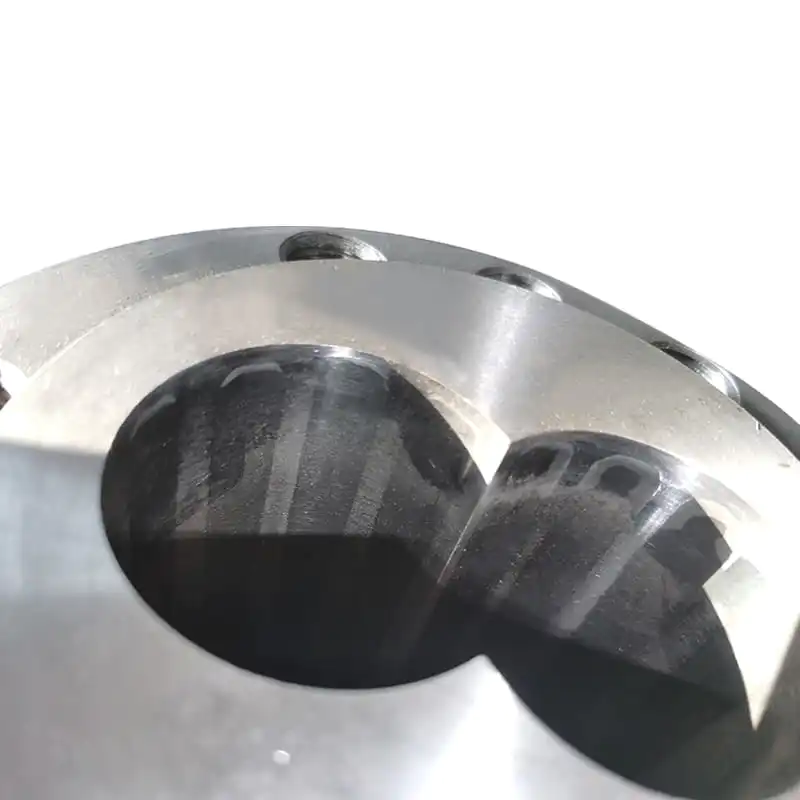
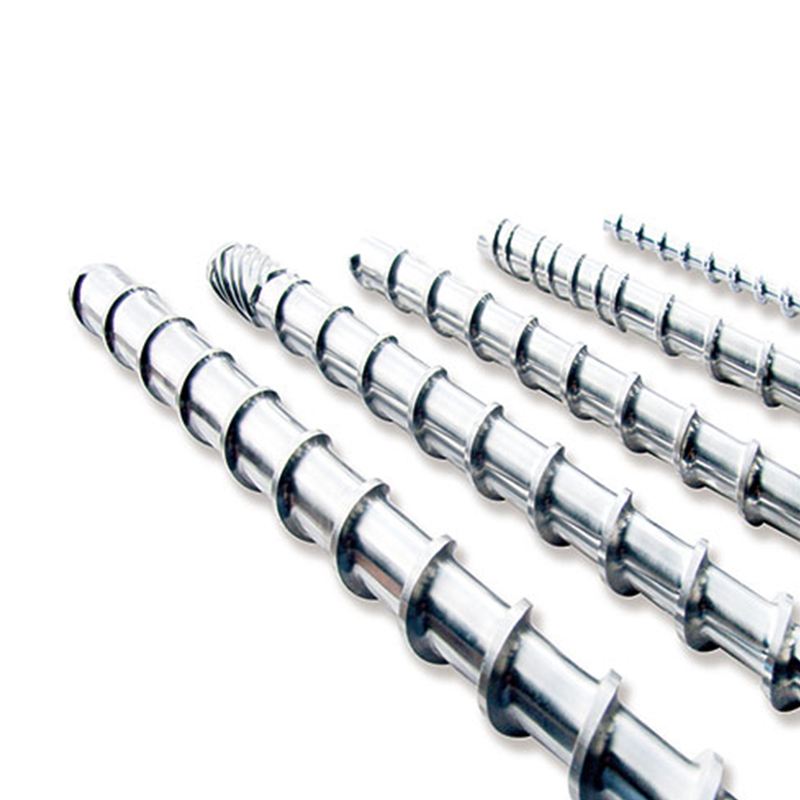
A conical screw barrel is a core component of twin-screw extruders in which two counter-rotating, conically tapered screws are housed within a matching barrel. Unlike parallel screws that maintain a consistent diameter along their entire length, conical screws taper from a larger diameter at the feed end to a smaller diameter at the discharge end.
This unique geometry is not merely aesthetic — it fundamentally alters how materials are processed. The taper creates a progressive compression ratio that efficiently melts, mixes, and conveys plastic material toward the die with exceptional control over temperature and pressure.
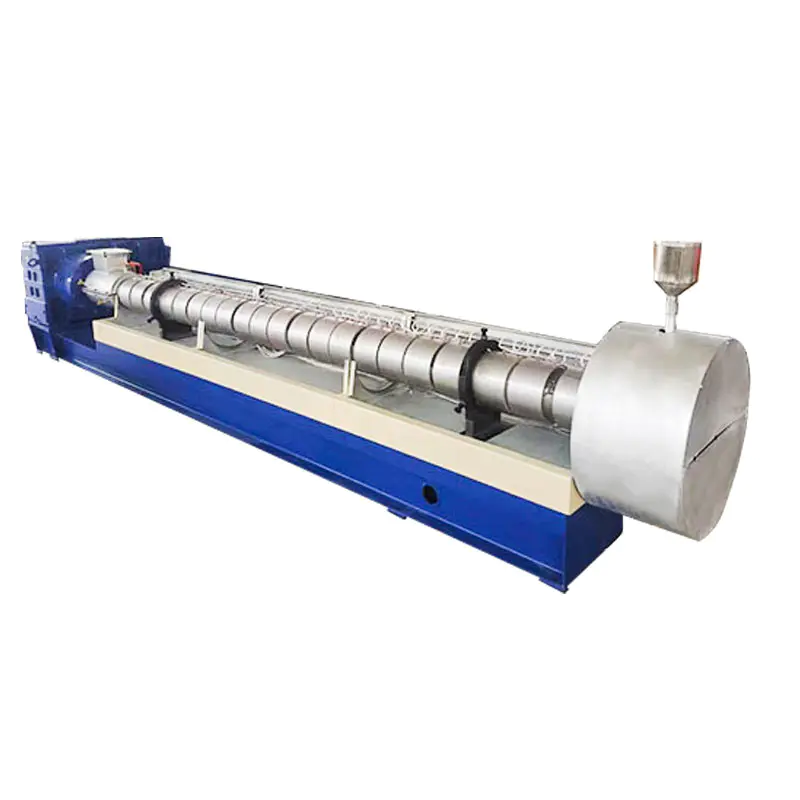
The conical twin screw barrel system is typically used in conical twin screw extruders, which are the dominant machine type for processing rigid PVC and other heat-sensitive thermoplastics on an industrial scale.
Key Advantages of the Conical Screw Barrel
The widespread adoption of the conical screw barrel is driven by a combination of mechanical, thermal, and economic advantages. Below are the most significant benefits that set it apart in the extrusion industry:
1. Superior Plasticizing and Mixing Performance
The tapered geometry of the conical screw barrel provides a gradually increasing compression zone. This design ensures that plastic pellets or powder are progressively compressed and heated, resulting in more uniform melting and thorough mixing of additives, colorants, and stabilizers. Consistent plasticization directly translates to higher product quality with fewer defects such as unmelted particles or color streaks.
2. Lower Melt Temperature for Heat-Sensitive Materials
One of the most critical advantages of the conical screw barrel is its ability to process thermally sensitive materials at lower melt temperatures. The large feed zone diameter allows for a longer residence time during the initial melting phase, reducing the thermal shear stress applied to the material. This is particularly vital for rigid PVC, which degrades rapidly when overheated.
3. Stable and Consistent Output Pressure
The tapered screw design naturally builds pressure toward the die in a controlled, gradual manner. This results in a stable melt pressure at the extrusion head, which is essential for producing profiles, pipes, and sheets with tight dimensional tolerances. Pressure fluctuations — a common issue in single-screw systems — are significantly minimized with the conical twin screw barrel.
4. Excellent Self-Cleaning Capability
Counter-rotating conical twin screws create a self-wiping action between the two screw flights. Material is continuously scraped from the barrel surface and the opposing screw, preventing dead zones where material can stagnate and degrade. This self-cleaning property reduces downtime for cleaning, extends the service life of the screw and barrel assembly, and ensures consistent product color and purity.
5. High Load-Bearing Capacity with Large Shaft Distance
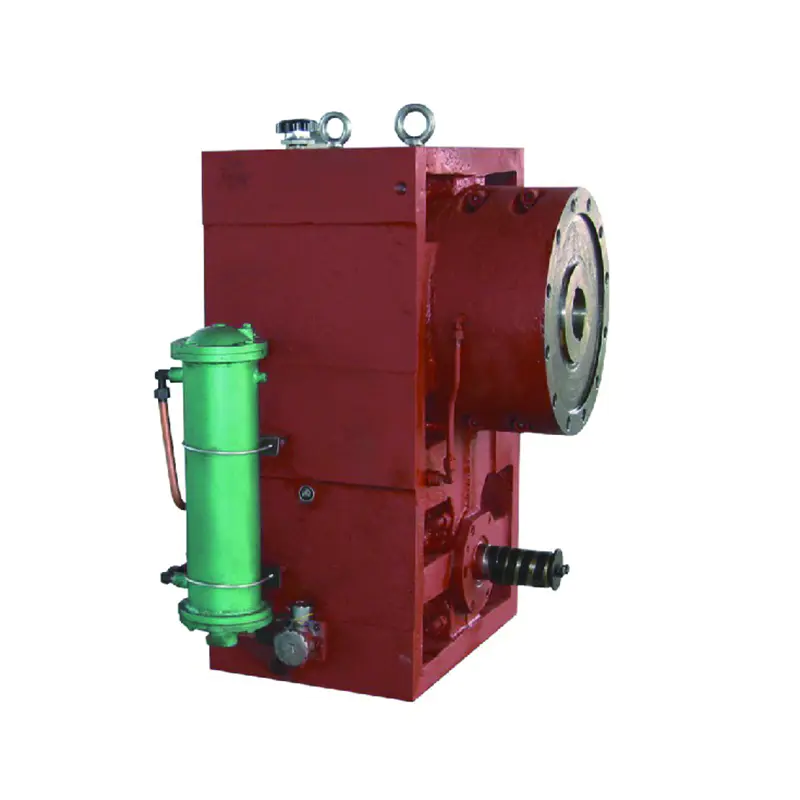
Because the screw shafts at the feed end are large in diameter, the gear box and drive system can be designed with a generous center distance between the two shafts. This allows larger, more robust gears to be used, resulting in a higher torque transmission capacity without gear failure — a significant factor in long-term durability and reliability of the extrusion line.
6. Energy Efficiency
The compact, integrated design of the conical screw barrel system reduces the overall footprint of the extruder. Combined with the efficient energy transfer from the screw geometry, power consumption per kilogram of output is lower compared to many alternative systems. Manufacturers benefit from reduced operating costs over the long production life of the equipment.
Conical Screw Barrel vs. Parallel Twin Screw Barrel: A Technical Comparison
To fully appreciate why the conical screw barrel dominates specific applications, it helps to compare it directly with the parallel twin screw barrel, the other major configuration used in the plastics industry.
| Feature | Conical Screw Barrel | Parallel Twin Screw Barrel |
|---|---|---|
| Screw Geometry | Tapered from feed to discharge | Uniform diameter throughout |
| Screw Rotation | Counter-rotating | Co-rotating or counter-rotating |
| Primary Applications | Rigid PVC pipe, profiles, sheets | Compounding, flexible PVC, masterbatch |
| Compression Ratio Control | Inherent via taper geometry | Controlled via flight depth |
| Melt Temperature | Lower — gentler heating | Higher — more intensive shear |
| Output Pressure Stability | Excellent | Good (varies by design) |
| Self-Cleaning | Very good (counter-rotating wipe) | Excellent (co-rotating intermesh) |
| Gear Box Torque | High — large shaft spacing | Moderate — closer shafts |
| Machine Footprint | Compact | Larger |
| Cost | Generally lower | Generally higher |
As the table illustrates, neither configuration is universally superior. The conical screw barrel excels in applications requiring gentle processing, high dimensional precision, and lower cost — particularly for rigid PVC. Parallel twin screws are preferred for intensive compounding and highly filled formulations that require greater distributive mixing.
Primary Applications of the Conical Screw Barrel in Plastic Extrusion
The conical screw barrel is engineered for a defined set of high-volume plastic extrusion applications where its unique mechanical properties provide clear advantages:
PVC Pipe Extrusion
The production of rigid PVC pressure pipes, drainage pipes, and conduit pipes is the single largest application of the conical twin screw barrel. PVC is highly sensitive to thermal degradation, making the low-shear, controlled-temperature environment created by the conical design absolutely essential for consistent quality and long production runs without burning or discoloration.
PVC Window and Door Profiles
The extrusion of complex PVC profiles for windows, doors, shutters, and decorative trim demands exceptional dimensional stability and surface finish quality. The stable pressure output and thorough plasticization delivered by the conical screw barrel make it the industry standard for these high-tolerance, high-volume applications.
PVC Sheet and Board Extrusion
From foam PVC boards used in signage and furniture to rigid PVC sheets for packaging and construction, the conical screw barrel provides the homogeneous melt quality and consistent output needed to achieve uniform sheet thickness and surface smoothness across wide production widths.
WPC (Wood-Plastic Composite) Profiles
Wood-plastic composites combine wood fiber or flour with thermoplastic binders, typically PVC or PE. The conical screw barrel handles the high-filler-content formulations used in WPC decking, fencing, and cladding products, providing the necessary torque and mixing characteristics without damaging the heat-sensitive wood fibers.
Other Thermoplastic Applications
Beyond PVC, the conical screw barrel is also used for processing CPVC (chlorinated PVC), ABS, and certain polyolefins where controlled melting and stable extrusion pressures are required. Its versatility across multiple resin types contributes to its broad commercial appeal.
Screw and Barrel Material Selection and Surface Treatment
The longevity and performance of a conical screw barrel depend heavily on the materials used in its construction and the surface treatments applied. Given the abrasive and often corrosive nature of PVC compounds, high-performance materials are essential.
| Component | Common Materials | Surface Treatment | Key Benefit |
|---|---|---|---|
| Screw Core | 38CrMoAlA, 42CrMo | Nitriding (surface hardness HV900+) | Wear and fatigue resistance |
| Screw Flight Tips | Stellite alloy, bimetallic | Hard-facing / flame spray welding | Extreme abrasion resistance |
| Barrel Bore | Bimetallic alloy liner (Fe-based or Ni-based) | Centrifugal casting | Corrosion and wear resistance |
| Barrel Body | 45# steel, 40Cr | Tempering / heat treatment | Structural strength |
The use of bimetallic conical screw barrel technology — where a wear-resistant alloy layer is metallurgically bonded to the inner surface of the barrel — has become the industry standard for demanding applications. This construction significantly extends service life, with well-maintained units lasting hundreds of thousands of operating hours in continuous production environments.
How to Maintain and Extend the Life of Your Conical Screw Barrel
Proper maintenance of the conical screw barrel is essential to protect your investment and ensure consistent production quality. The following best practices are recommended by experienced extrusion engineers:
- Regular cleaning purges: Use purging compounds between material changeovers and during extended shutdowns to remove residual PVC that could degrade and cause corrosion.
- Temperature monitoring: Maintain accurate barrel temperature profiles and avoid overheating, which accelerates both material degradation and wear on the screw flights.
- Periodic dimensional inspection: Measure the clearance between screw flights and barrel bore at regular intervals. Excessive clearance indicates wear and will compromise output quality and efficiency.
- Lubrication of driving components: Ensure the gearbox and thrust bearing assemblies connected to the conical screw barrel receive proper lubrication as specified by the equipment manufacturer.
- Avoid cold starts: Always preheat the barrel to the recommended temperature before starting the screw, to prevent damage caused by forcing solid plastic material through the assembly.
- Use quality raw materials: Abrasive fillers such as calcium carbonate, glass fiber, or titanium dioxide accelerate wear. Ensure proper formulation and filler particle size to minimize abrasion on the screw barrel surfaces.
Signs That Your Conical Screw Barrel Needs Replacement
Even with proper maintenance, the conical screw barrel is a wear component that will eventually require replacement. Key indicators include:
- Declining output rate at the same screw speed, indicating loss of pumping efficiency due to increased clearance.
- Inconsistent product dimensions — variations in wall thickness or width that cannot be corrected by process adjustments.
- Increased melt temperature at the die, suggesting that back-leakage of melt is increasing shear heating.
- Surface defects or discoloration in the extrudate that persist despite correct temperatures and formulation.
- Visible groove wear or pitting visible during maintenance inspection of the screw flights or barrel bore.
How to Select the Right Conical Screw Barrel for Your Application
Selecting the correct conical screw barrel for a specific extrusion application requires careful consideration of several parameters:
| Selection Parameter | Typical Range / Options | Impact on Performance |
|---|---|---|
| Screw Diameter (small end) | 35mm – 92mm | Determines output capacity |
| L/D Ratio | 1:14 – 1:22 | Affects plasticizing length and mixing |
| Compression Ratio | 2.5:1 – 3.5:1 | Controls melt pressure and shear |
| Barrel Material / Liner | Standard nitrided / Bimetallic | Service life and corrosion resistance |
| Processing Material | Rigid PVC / Flexible PVC / WPC | Determines screw flight geometry |
| Output Rate Required | 50 kg/h – 800+ kg/h | Guides screw size selection |
Frequently Asked Questions About the Conical Screw Barrel
Q: What is the difference between a conical screw barrel and a single screw barrel?
A: A single screw barrel uses one straight screw of uniform diameter, relying primarily on friction and shear to melt and convey plastic. A conical screw barrel system uses two counter-rotating, tapered screws, providing more positive conveying, better mixing, more controlled temperature, and superior pressure stability. For PVC processing, the conical twin screw design is far superior.
Q: How long does a conical screw barrel typically last?
A: With proper maintenance and quality raw materials, a well-manufactured bimetallic conical screw barrel can last between 8,000 and 25,000 operating hours depending on material abrasiveness, operating temperatures, and maintenance practices. Nitrided screw barrels typically have a shorter service life of 4,000–8,000 hours under similar conditions.
Q: Can a conical screw barrel process materials other than PVC?
A: Yes. While PVC is the primary application, conical screw barrels are also used for CPVC, ABS, ASA, wood-plastic composites (WPC), and certain polyolefin-based compounds. However, for high-volume compounding of engineering polymers or highly filled masterbatches, parallel co-rotating twin screw extruders are generally preferred.
Q: What causes premature wear of the conical screw barrel?
Common causes of premature wear include: highly abrasive fillers (calcium carbonate, talc, glass fiber) in the formulation; excessive processing temperatures that soften the screw metal; cold starts that force solid material through the assembly; and operation with poorly formulated compounds that lack adequate lubrication from processing aids.
Q: Is a bimetallic conical screw barrel worth the higher initial cost?
In most industrial production scenarios, yes. The extended service life of a bimetallic conical screw barrel — often two to three times longer than a standard nitrided unit — translates to lower replacement frequency, reduced machine downtime, and lower total cost of ownership over the life of the extrusion line. For continuous 24-hour production operations, the investment is almost always justified.
Q: How is the conical screw barrel cleaned and purged?
The most common method is to run a purging compound — either a commercial purging agent or a compatible polymer such as HDPE — through the extruder at the end of a production run. This displaces residual PVC from the screw and barrel surfaces before shutdown, preventing the material from degrading and causing corrosion or staining in subsequent production runs.
Conclusion
The conical screw barrel has earned its dominant position in the plastic extrusion industry through decades of proven performance. Its unique tapered geometry delivers a combination of benefits — controlled plasticization, low melt temperature, pressure stability, self-cleaning action, and compact design — that no other extrusion component configuration can fully replicate for PVC and similar heat-sensitive polymer applications.
Whether you are evaluating equipment for a new PVC pipe line, replacing worn screw and barrel assemblies, or seeking to optimize an existing extrusion process, understanding the engineering principles behind the conical screw barrel is essential to making informed decisions that maximize productivity, product quality, and long-term equipment value.
Investing in a high-quality bimetallic conical screw barrel from a reputable supplier, combined with proper maintenance practices, remains one of the most effective strategies for ensuring consistent, profitable plastic extrusion operations over the long term.