

 عربى
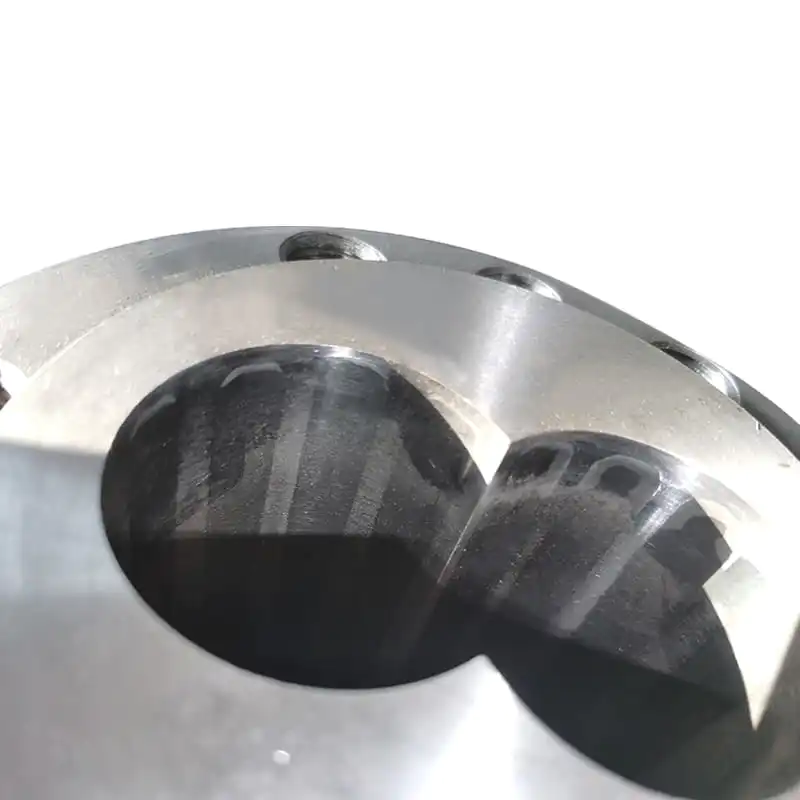
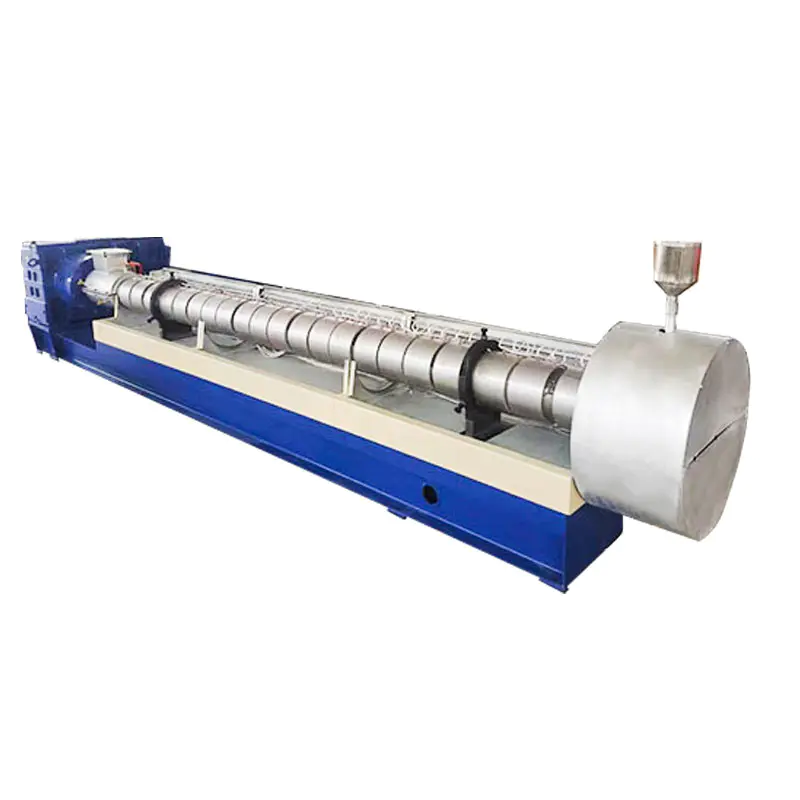
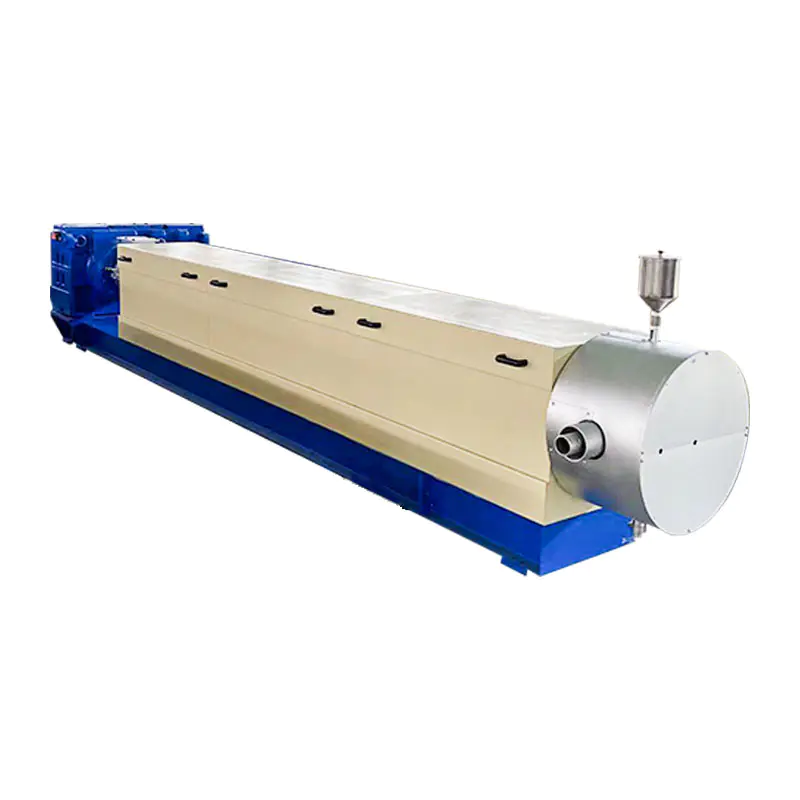
عربىA Conical Screw Barrel is a critical component widely used in conical twin-screw extruders, especially in PVC processing and other high-viscosity polymer applications. Its performance, service life, and processing stability depend heavily on the materials selected during manufacturing. Different materials offer distinct advantages in terms of wear resistance, corrosion resistance, strength, and thermal performance.
In industrial environments where high pressure, elevated temperatures, and abrasive or corrosive materials are common, material selection is never accidental. Manufacturers carefully balance cost, durability, and application requirements when choosing materials for a Conical Screw Barrel.
Content
- Key Performance Requirements for a Conical Screw Barrel
- Commonly Used Base Materials for Conical Screw Barrels
- Advanced Material Solutions for High-Performance Conical Screw Barrels
- Surface Treatments and Coatings Used on Conical Screw Barrels
- Material Comparison: Which Conical Screw Barrel Material Performs Best?
- How Application Influences Material Selection
- Manufacturing Standards and Quality Control
- Frequently Asked Questions About Conical Screw Barrel Materials
- Future Trends in Conical Screw Barrel Materials
Key Performance Requirements for a Conical Screw Barrel
Before exploring specific materials, it is essential to understand the operating demands placed on a Conical Screw Barrel.
Mechanical Strength and Load Resistance
The conical design generates higher torque transmission compared to parallel screw systems. This means the barrel must withstand continuous mechanical stress without deformation or cracking.
Wear Resistance
Many plastic compounds contain fillers such as calcium carbonate, glass fiber, or mineral additives. These abrasive materials can rapidly wear down inferior barrel materials.
Corrosion Resistance
Processing PVC, fluoropolymers, or recycled plastics often releases corrosive gases such as HCl. A Conical Screw Barrel must resist chemical attack to maintain dimensional accuracy.
Thermal Stability
Repeated heating and cooling cycles require materials with stable thermal expansion properties to avoid distortion or internal stress.
Commonly Used Base Materials for Conical Screw Barrels
Carbon Steel
Carbon steel is one of the earliest materials used in Conical Screw Barrel manufacturing. While it is less common in modern high-performance systems, it still appears in entry-level or low-load applications.
- Advantages: Low cost, easy machinability
- Limitations: Poor corrosion resistance, limited wear resistance
- Typical Applications: Low-abrasion, non-corrosive materials
Carbon steel barrels often require additional surface treatments to extend their service life.
Nitrided Alloy Steel
Nitrided alloy steel is among the most widely used materials for a Conical Screw Barrel. Common steel grades include 38CrMoAlA and 41CrAlMo7.
- Advantages: Excellent surface hardness after nitriding, good fatigue resistance
- Limitations: Moderate corrosion resistance
- Typical Applications: Standard PVC extrusion, profiles, pipes
Nitriding creates a hard outer layer while preserving a tough core, making this material a balanced choice for many extrusion processes.
Tool Steel
Tool steels are selected when higher strength and wear resistance are required.
- Advantages: High hardness, excellent dimensional stability
- Limitations: Higher cost, complex heat treatment
- Typical Applications: High-pressure extrusion, engineering plastics
Tool steel-based Conical Screw Barrels are often paired with advanced surface coatings to further enhance durability.
Advanced Material Solutions for High-Performance Conical Screw Barrels
Bimetallic Barrels
Bimetallic Conical Screw Barrels represent a significant advancement in material engineering. These barrels combine a steel base with a high-alloy inner lining.
- Inner Layer Materials: Nickel-based alloys, cobalt-based alloys, tungsten carbide composites
- Advantages: Exceptional wear and corrosion resistance
- Limitations: Higher manufacturing cost
Bimetallic designs dramatically extend service life, particularly when processing filled or recycled plastics.
Powder Metallurgy Alloys
Powder metallurgy allows precise control of alloy composition and microstructure.
- Advantages: Uniform hardness, superior wear resistance
- Limitations: Higher production complexity
- Typical Applications: High-output extrusion lines
These materials are increasingly used in premium Conical Screw Barrel systems.
Stainless Steel
Stainless steel is selected primarily for its corrosion resistance.
- Advantages: Excellent resistance to acids and moisture
- Limitations: Lower wear resistance unless hardened
- Typical Applications: Medical plastics, food-grade extrusion
In many cases, stainless steel barrels are combined with surface treatments to improve wear properties.
Surface Treatments and Coatings Used on Conical Screw Barrels
Nitriding Treatment
Nitriding remains one of the most common treatments applied to alloy steel Conical Screw Barrels.
- Surface hardness up to HV900–1100
- Improved fatigue resistance
- Minimal dimensional distortion
Hard Chrome Plating
Hard chrome plating improves surface smoothness and corrosion resistance.
- Reduced material adhesion
- Improved chemical resistance
- Limited wear resistance compared to bimetallic liners
Thermal Spray Coatings
Advanced thermal spraying techniques deposit wear-resistant materials onto the barrel surface.
- Carbide-based coatings
- High bond strength
- Extended service life
Material Comparison: Which Conical Screw Barrel Material Performs Best?
| Material Type | Wear Resistance | Corrosion Resistance | Cost Level | Typical Service Life |
|---|---|---|---|---|
| Carbon Steel | Low | Low | Low | Short |
| Nitrided Alloy Steel | Medium | Medium | Medium | Moderate |
| Tool Steel | High | Medium | High | Long |
| Bimetallic | Very High | Very High | Very High | Very Long |
How Application Influences Material Selection
PVC Pipe and Profile Extrusion
Nitrided alloy steel remains the most common choice for PVC-based applications due to its balance of cost and durability.
Recycled Plastic Processing
Bimetallic Conical Screw Barrels outperform conventional materials due to high contamination and abrasive content.
High-Filler Compounds
Tool steel or bimetallic barrels are preferred to reduce downtime caused by excessive wear.
Manufacturing Standards and Quality Control
Material quality alone does not guarantee performance. Precision machining, heat treatment consistency, and inspection standards all contribute to the final reliability of a Conical Screw Barrel.
- Ultrasonic flaw detection
- Hardness depth testing
- Dimensional tolerance control
Frequently Asked Questions About Conical Screw Barrel Materials
Which material offers the longest service life?
Bimetallic Conical Screw Barrels generally provide the longest service life, especially in abrasive or corrosive environments.
Is nitrided steel suitable for all applications?
Nitrided steel works well for standard extrusion but may wear quickly when processing heavily filled or recycled materials.
Does higher material cost always mean better performance?
Not necessarily. Performance depends on matching the material to the application rather than selecting the most expensive option.
Can surface treatments replace bimetallic liners?
Surface treatments improve performance but typically cannot match the longevity of true bimetallic constructions.
How often should a Conical Screw Barrel be replaced?
Replacement intervals vary widely based on material choice, operating conditions, and processed compounds.
Future Trends in Conical Screw Barrel Materials
Ongoing developments in metallurgy and coating technologies continue to push the limits of Conical Screw Barrel performance. Hybrid alloys, nano-structured coatings, and improved bimetal bonding methods are shaping the next generation of extrusion equipment.
As processing demands increase and sustainability becomes more important, material innovation will remain a decisive factor in the evolution of the Conical Screw Barrel.