

 عربى
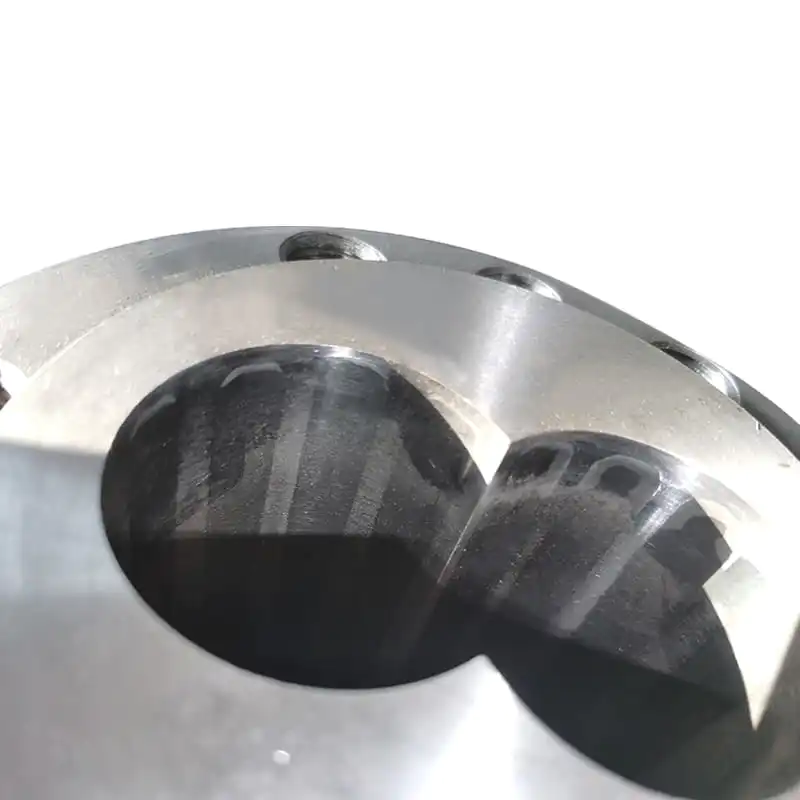
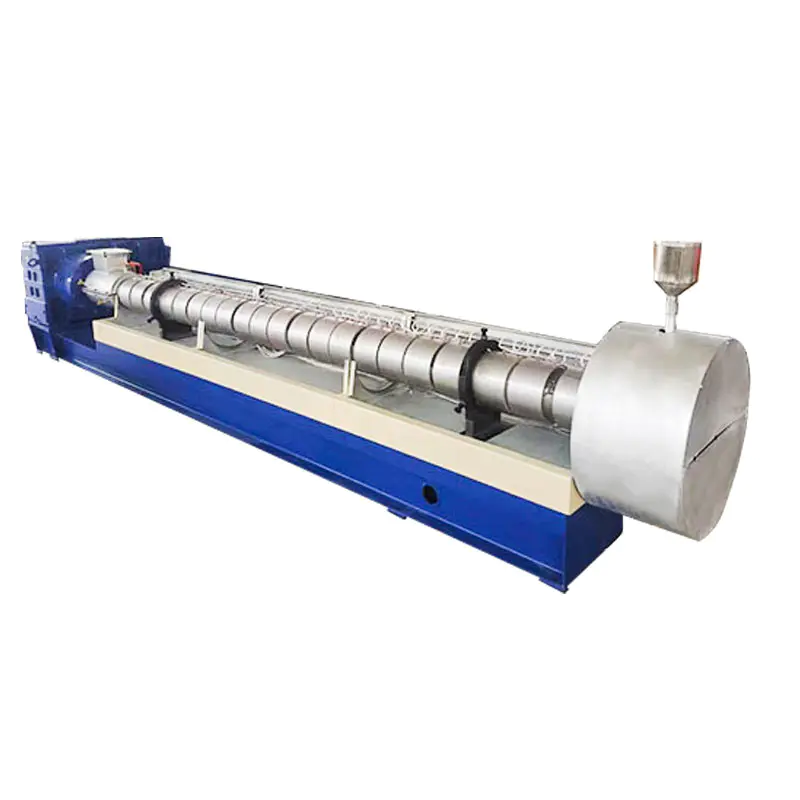
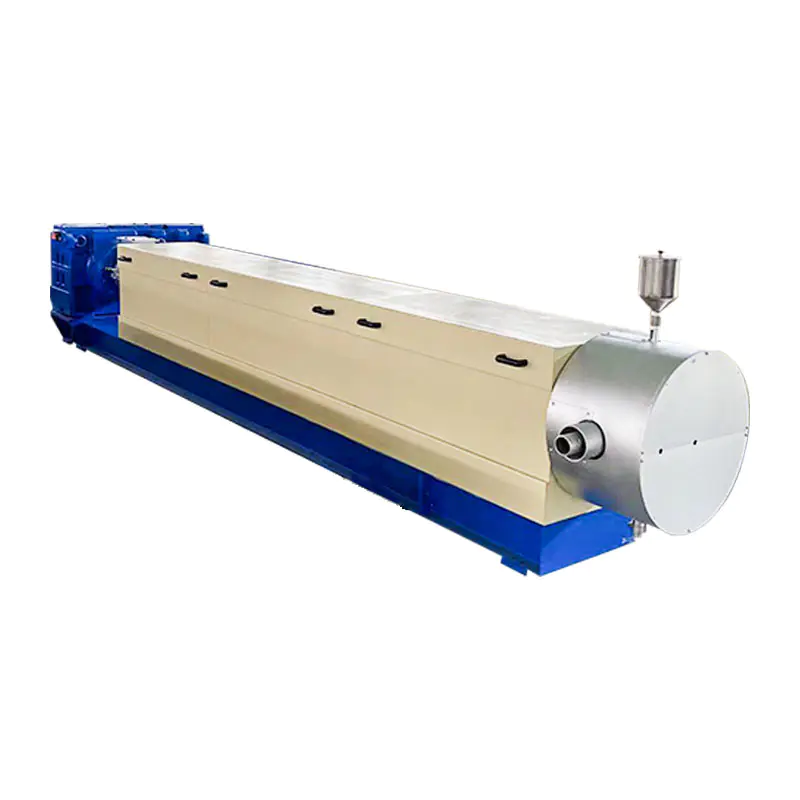
عربىThe Conical Screw Barrel is a specialized component widely used in the plastics processing industry, particularly in extrusion and injection molding machines. Its primary purpose is to efficiently plasticize polymer materials, ensuring uniform melting, minimal degradation, and high-quality output. Unlike conventional cylindrical barrels, the conical design features a tapered structure that allows for optimized material flow, superior mixing, and enhanced energy efficiency.
Content
- Key Design Principles of Conical Screw Barrels
- Comparing Conical Screw Barrels with Cylindrical Barrels
- Advanced Design Features for Efficient Plasticization
- Applications of Conical Screw Barrels
- Benefits of Using a Conical Screw Barrel
- Installation and Operational Considerations
- Frequently Asked Questions (FAQ)
- Conclusion
Key Design Principles of Conical Screw Barrels
1. Tapered Geometry
The most distinctive feature of a Conical Screw Barrel is its gradually decreasing diameter from feed to discharge. This tapering achieves several benefits:
- Enhanced Material Compression: The narrowing channel increases the pressure on the polymer, promoting faster melting and better homogenization.
- Reduced Shear Stress: Conical barrels distribute shear more evenly across the material, minimizing thermal degradation.
- Improved Energy Efficiency: The taper allows the screw to convey material more effectively, reducing motor load and energy consumption.
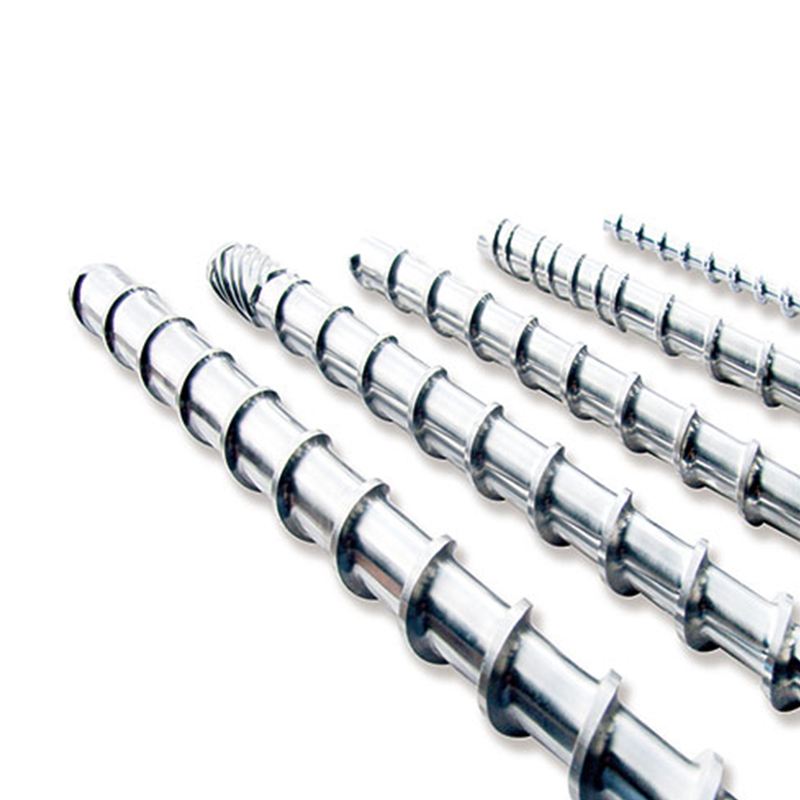
2. Screw Flight Design
The screw inside the barrel is equally critical. Common design considerations include:
- Variable Flight Depth: Deep flights at the feed zone gradually become shallower towards the metering zone to increase compression and plasticization.
- Mixing Sections: Special kneading or mixing elements can be inserted to enhance material homogeneity, particularly for filled or recycled polymers.
- Pitch Optimization: The screw pitch is carefully engineered to balance material conveyance, compression, and residence time.
3. Barrel Material and Surface Treatment
High-quality steel alloys with wear-resistant coatings are commonly used to extend the life of the Conical Screw Barrel. Typical treatments include:
- Nitriding: Improves hardness and wear resistance.
- Chromium Plating: Reduces friction and prevents corrosion.
- Coatings for High-Friction Polymers: Polymers with abrasive fillers benefit from specialized coatings such as tungsten carbide.
Comparing Conical Screw Barrels with Cylindrical Barrels
Understanding the advantages of a Conical Screw Barrel requires a comparison with traditional cylindrical barrels:
1. Melting Efficiency
Conical barrels provide more uniform melting due to the gradual compression and reduced dead zones, whereas cylindrical barrels may have uneven melt distribution, especially with high-viscosity materials.
2. Energy Consumption
The tapered design reduces screw torque requirements, leading to lower energy usage. Cylindrical barrels often require higher motor power to achieve the same level of plasticization.
3. Material Flexibility
Conical screw barrels can process a wider range of polymers, including thermoplastics with fillers, recycled materials, and high-viscosity resins. Cylindrical barrels are less adaptable and may require multiple screw designs for different materials.
4. Maintenance and Wear
The gradual compression in a conical barrel results in smoother material flow, reducing abrasive wear. Cylindrical barrels with high-pressure zones tend to wear faster, especially when processing reinforced plastics.
Advanced Design Features for Efficient Plasticization
1. Multi-Zone Temperature Control
Modern Conical Screw Barrels incorporate multiple heating zones along the barrel length. This allows precise control of polymer temperature at each stage of plasticization, ensuring consistent melt quality.
2. Screw-Barrel Integration
Optimizing the interaction between the screw and the barrel is critical. Computational simulations can predict material flow, pressure distribution, and residence time, guiding the precise design of the taper and screw profile.
3. Venting and Degassing Options
For polymers containing volatiles or moisture, venting sections in the barrel allow efficient degassing without compromising melt homogeneity. This feature is particularly useful in high-performance engineering plastics.
Applications of Conical Screw Barrels
The versatility of Conical Screw Barrels allows their use in multiple processing scenarios:
- Extrusion of films, sheets, and pipes
- Injection molding of high-performance or filled plastics
- Recycling operations where consistency and gentle handling of polymers are critical
- Processing of thermoplastics with high filler content, such as glass fiber reinforced polymers
Benefits of Using a Conical Screw Barrel
- Improved Material Plasticization: Ensures complete melting and uniformity of polymer blends.
- Reduced Thermal Degradation: Even shear distribution minimizes overheating.
- Energy Savings: Optimized compression reduces motor load.
- Material Versatility: Capable of handling various polymers, including recycled and filled materials.
- Longer Equipment Life: Lower wear rates due to smoother material flow and reduced peak pressures.
Installation and Operational Considerations
For optimal performance, careful installation and operation are essential:
- Ensure precise alignment of the screw within the barrel to avoid uneven wear.
- Regular monitoring of barrel temperature and pressure to maintain consistent plasticization.
- Routine maintenance, including cleaning and inspection for wear or coating degradation.
Frequently Asked Questions (FAQ)
Q1: Can a conical screw barrel process all types of polymers?
While Conical Screw Barrels are highly versatile, extremely high-viscosity or specialty polymers may require customized screw profiles or additional mixing elements to achieve optimal plasticization.
Q2: How does barrel taper affect material residence time?
The taper gradually increases compression, which can slightly reduce residence time compared to cylindrical barrels while maintaining uniform melting and reducing degradation.
Q3: Are conical screw barrels more expensive than cylindrical barrels?
Initial costs may be higher due to precision manufacturing and advanced materials, but energy savings, improved product quality, and longer equipment life often offset the initial investment.
Q4: Can a conical screw barrel be retrofitted into existing machines?
Retrofitting is possible but requires compatibility checks regarding screw diameter, barrel length, and motor capacity. Professional engineering assessment is recommended.
Conclusion
The Conical Screw Barrel represents a major advancement in plastic processing technology. Its tapered design, optimized screw flight, and material-focused engineering ensure efficient, uniform, and energy-saving plasticization. By comparing it with cylindrical barrels, the benefits in melting efficiency, energy consumption, and material flexibility become evident. With careful design, installation, and operation, conical screw barrels can significantly improve production quality, reduce costs, and extend equipment life across a wide range of polymer processing applications.