

 عربى
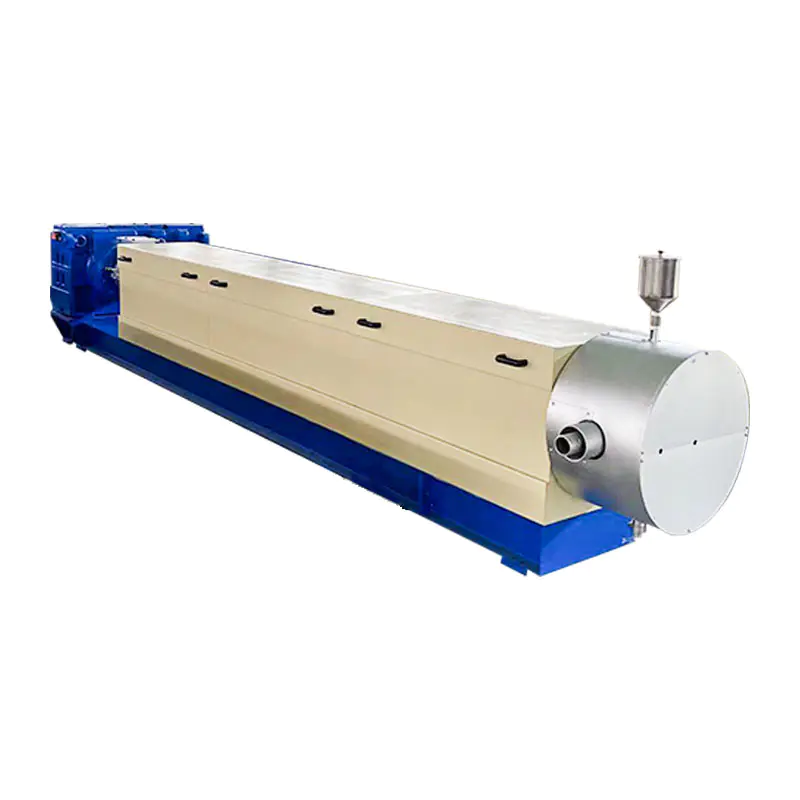
عربىTo choose the right plastic pelleting machine, you must first identify your specific raw material type, determine your required output capacity, and select a screw configuration (single or twin) that matches the physical properties of your plastic waste. Selecting the correct machinery is not just about the initial investment; it is about ensuring long-term operational efficiency, high-quality pellet output, and minimal energy consumption.
Content
- 1. Define Your Raw Material and Its Physical Form
- 2. Single-Screw vs. Twin-Screw Extrusion Systems
- 3. Selecting the Appropriate Pelletizing Method
- 4. The Importance of Filtration and Degassing Systems
- 5. Technical Specifications and Energy Efficiency
- 6. Cost-Benefit Analysis and ROI
- 7. Maintenance and Spare Parts Availability
- Frequently Asked Questions (FAQ)
- Conclusion
1. Define Your Raw Material and Its Physical Form
The primary factor in selecting a plastic pelleting machine is the nature of the plastic waste you intend to process, as different polymers require different heating profiles and feeding systems. Whether you are dealing with industrial scrap, post-consumer waste, or agricultural films, the material's viscosity, moisture content, and contamination levels will dictate the machine's specifications.
Processing Soft Materials vs. Rigid Scraps
Soft materials like PE/PP films, woven bags, and foams require a compactor-integrated pelletizing system to pre-densify the material before it enters the extruder. Because these materials have low bulk density, they are difficult to feed into a standard hopper. For example, a machine processing HDPE milk jugs (rigid) might achieve 500 kg/h easily, but the same machine processing loose LDPE film might only reach 200 kg/h without a compactor.
- PE/PP Films: Require forced feeding or compaction to prevent bridging in the hopper.
- PET Flakes: Demand high-vacuum degassing and precise temperature control to prevent IV (Intrinsic Viscosity) drop.
- Engineering Plastics (ABS/PC/PA): Often require twin-screw extruders for better compounding and additive dispersion.
2. Single-Screw vs. Twin-Screw Extrusion Systems
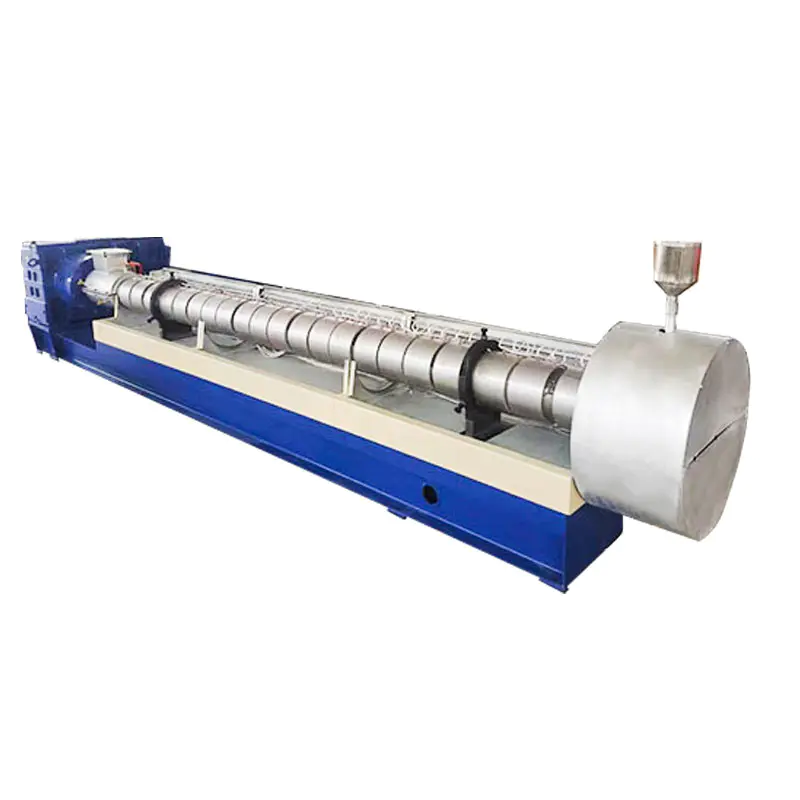
Choosing between a single-screw and a twin-screw extruder depends on whether your priority is simple recycling or complex material compounding and masterbatch production. Single-screw machines are the workhorses of the recycling industry for standard PE/PP recycling due to their durability and lower cost, while twin-screw machines offer superior mixing capabilities.
For basic washing line outputs, a single-screw pelleting machine is usually sufficient. It utilizes a simple mechanical design that is easy to maintain. However, if you are adding fillers like calcium carbonate (CaCO3), glass fibers, or pigments, a co-rotating twin-screw extruder is necessary to ensure the additives are evenly distributed throughout the polymer matrix.
| Feature | Single-Screw Extruder | Twin-Screw Extruder |
| Primary Use | Standard Recycling (PE, PP, PS) | Compounding & Masterbatch |
| Mixing Efficiency | Moderate | Excellent |
| Maintenance Cost | Low | High |
| Energy Efficiency | High (for simple tasks) | Moderate (high torque required) |
3. Selecting the Appropriate Pelletizing Method
The method used to cut the molten plastic into pellets directly affects the aesthetic quality and uniformity of the final product, which in turn influences the market value of your recycled resin. The three most common systems are water-ring cutting, strand cutting, and underwater pelletizing.
Water-Ring Pelletizing vs. Strand Cutting
Water-ring pelletizing is ideal for polyolefins (PE, PP) because it produces uniform, round pellets that are easy for manufacturers to use in injection molding or film blowing. In contrast, strand cutting is better suited for materials with high melt strength or those that are sensitive to water contact, such as PET or certain nylon grades. Strand cutting involves cooling the plastic "noodles" in a water bath before they are cut by a rotary cutter.
For high-capacity operations exceeding 1,000 kg/h, underwater pelletizing is often the preferred choice. Although it has a higher capital cost, it is fully automated, produces the most consistent pellet shapes, and can handle materials with very low viscosity.
4. The Importance of Filtration and Degassing Systems
High-performance plastic pelleting machines must feature robust filtration (screen changers) and degassing zones to handle the impurities and moisture typically found in recycled plastics. Without effective degassing, the final pellets will contain bubbles or "voids," significantly reducing their mechanical strength and marketability.
Modern machines often utilize double-stage extrusion (a "mother-baby" system). The first extruder melts and degasses the material, while the second extruder focuses on fine filtration and pelletizing. This setup is crucial when processing heavily printed films or agricultural waste where ink and moisture levels are high. A vacuum degassing system with a pressure of -0.09 MPa is often necessary to remove volatiles and odors effectively.
5. Technical Specifications and Energy Efficiency
Energy consumption is one of the largest ongoing costs in a recycling plant; therefore, you should look for a plastic pelleting machine equipped with energy-saving components like Inverter drives and Ceramic heaters. For example, a machine using an electromagnetic heating system can save up to 30% to 50% in energy compared to traditional resistance heating.
Understanding the L/D Ratio
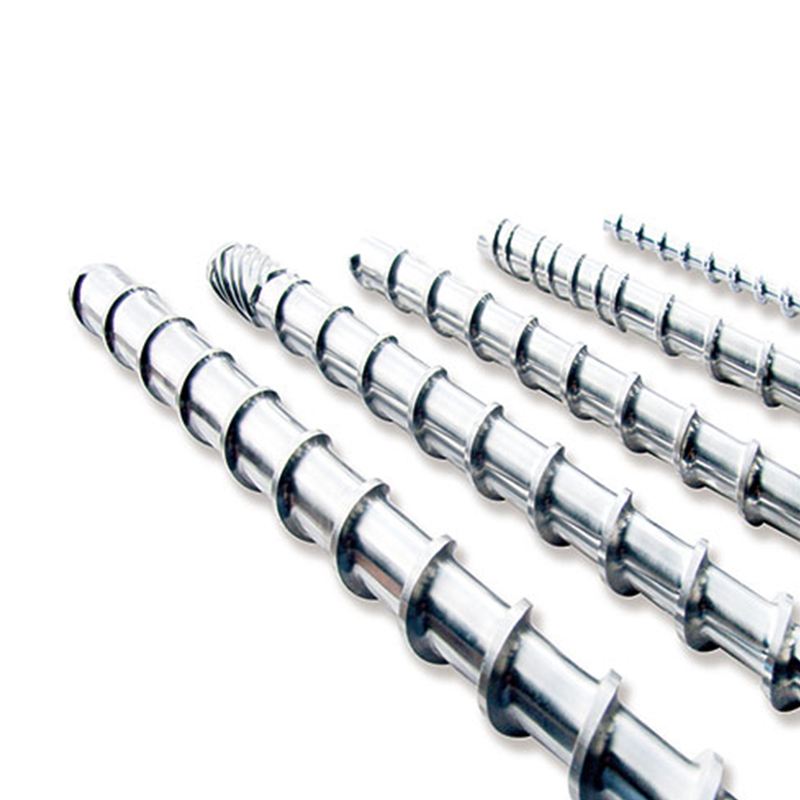
The L/D ratio (Length/Diameter) of the screw is a critical technical spec. A higher L/D ratio (e.g., 32:1 or 36:1) provides a longer residence time, which improves melting, mixing, and degassing. For recycled materials with high moisture, a longer screw allows for multiple degassing ports, ensuring a cleaner final product.
6. Cost-Benefit Analysis and ROI
A cheaper machine often results in higher maintenance costs and lower pellet quality, which can lead to a lower selling price for your recycled resin. When evaluating a plastic pelleting machine, calculate the cost per ton of production rather than just the purchase price.
Consider a scenario where Machine A costs $50,000 with a 300 kg/h output, and Machine B costs $80,000 with a 500 kg/h output and 20% better energy efficiency. Within 18 months, the energy savings and increased volume from Machine B will likely cover the price difference, providing a much higher Return on Investment (ROI).
7. Maintenance and Spare Parts Availability
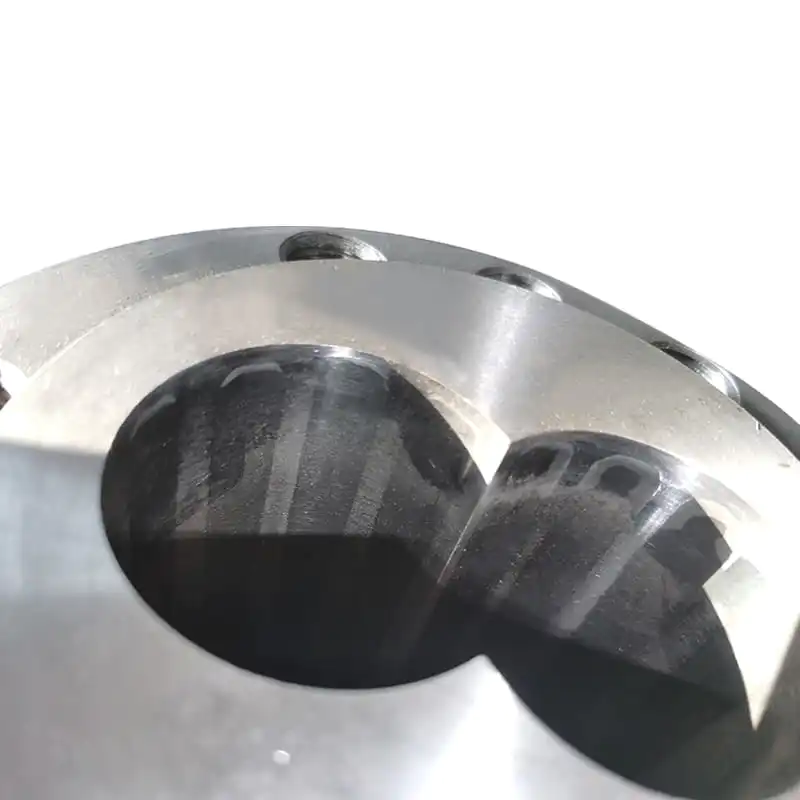
Long-term success depends on the durability of the screw and barrel, which are the most critical wear parts. Look for machines that use bimetallic treatment for the screw and barrel. This treatment involves a specialized alloy coating that can extend the lifespan of these components by 3 to 5 times compared to standard nitrided steel, especially when processing abrasive materials like glass-filled plastics or contaminated post-consumer waste.
Frequently Asked Questions (FAQ)
Q: How much moisture can a plastic pelleting machine handle?
A: Most standard lines can handle up to 5% moisture. If your material is wetter (up to 10-15%), you will need a specialized pre-drying system or a compactor-integrated feeder to steam off the moisture before extrusion.
Q: What is the average lifespan of a screw and barrel?
A: With clean materials, a bimetallic screw can last 1-2 years of continuous operation. However, processing contaminated or abrasive materials without proper filtration can reduce this to less than 6 months.
Q: Can I use one machine for all types of plastic?
A: While some machines are versatile, it is not recommended. PE and PP can often share a line, but PET and PVC require very different screw designs and corrosion-resistant materials due to their chemical properties when melted.
Q: What is the significance of the vacuum system?
A: The vacuum system removes gases, moisture, and low-molecular-weight volatiles. Without it, the pellets will have internal bubbles, making them less dense and lower in quality.
Conclusion
Choosing the right plastic pelleting machine requires a deep understanding of your material, your production goals, and the technical nuances of extrusion. By focusing on a machine that offers the right balance of output capacity, filtration efficiency, and energy savings, you can ensure a profitable and sustainable recycling operation. Always prioritize build quality and technical support over the lowest sticker price to ensure your facility remains competitive in the evolving global recycling market.