

 عربى
عربىA Conical Screw Barrel is a key component in various manufacturing processes, especially in plastic processing, extrusion, and injection molding. This design features a conical shape, which provides numerous benefits over traditional cylindrical screw barrels. Understanding the impact of the tapered design on performance is essential for businesses looking to optimize their production processes. Let’s explore how the tapered shape improves functionality and why it’s preferred in many industrial applications.
Content
What Is the Tapered Design of a Conical Screw Barrel?
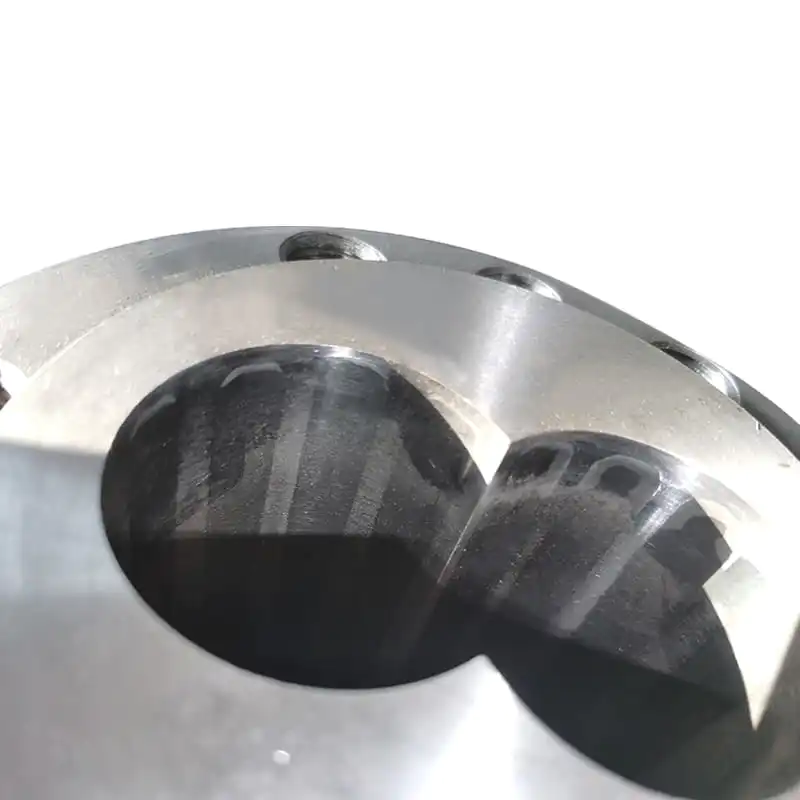
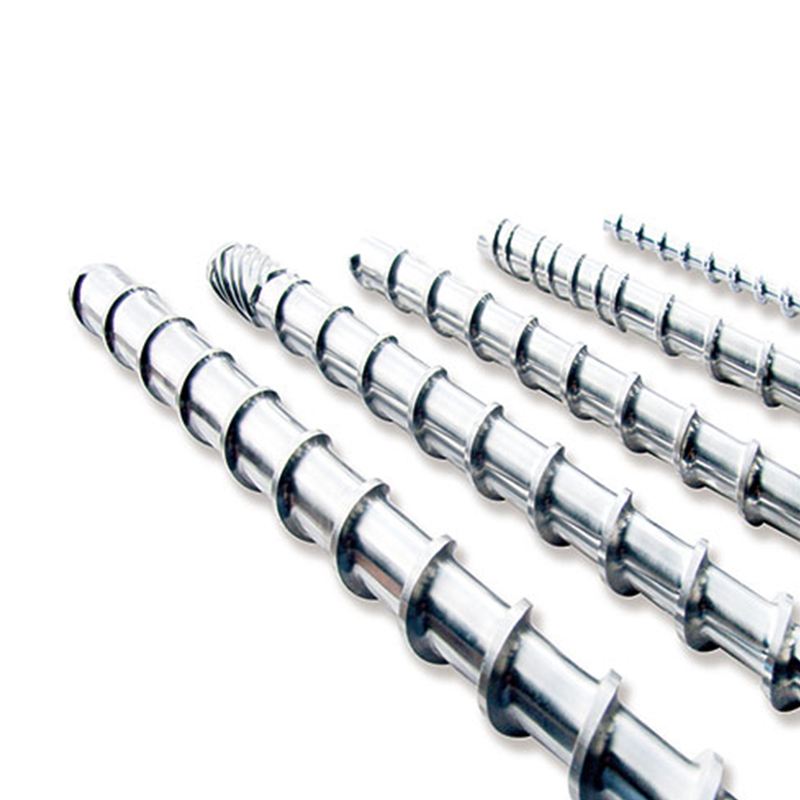
The tapered design of a conical screw barrel refers to the gradual narrowing of the screw’s diameter from one end to the other. Typically, the barrel has a wider diameter at the feed zone and tapers down toward the discharge zone. This unique design differs significantly from the parallel (cylindrical) screw barrel, where the diameter remains constant throughout the barrel’s length.
How Does the Tapered Shape Improve Performance?
The tapered design improves the performance of the screw barrel in several ways:
- Better Melting Efficiency: As material moves through the tapered zone, the pressure gradually increases, ensuring better melting and homogenization of the material. This leads to improved product consistency.
- Enhanced Material Flow: The tapered geometry allows for more controlled material flow, minimizing the risk of blockages and ensuring a more consistent output of molten material.
- Optimized Mixing: The varying diameters in the tapered screw help mix the material more thoroughly, improving the uniformity of the final product.
- Energy Efficiency: The tapered design can reduce the overall energy required to melt and process the material, as the material is subjected to more controlled heating and pressure buildup.
Comparison: Tapered vs. Parallel Screw Barrels
To highlight the advantages, here’s a comparison between the tapered screw barrel and the traditional parallel screw barrel:
| Feature | Tapered Screw Barrel | Parallel Screw Barrel |
|---|---|---|
| Material Flow | More controlled and steady due to the tapered geometry. | Constant but may be less efficient in handling certain materials. |
| Melting Efficiency | Improved due to gradual pressure increase and better heat distribution. | May not offer the same level of uniformity in melting. |
| Energy Consumption | More energy-efficient, thanks to better heat control. | Can be more energy-intensive due to less efficient heat transfer. |
| Material Compatibility | Better suited for materials that require high shear rates and controlled flow. | Suitable for a wider range of general materials but less specialized. |
Advantages of Tapered Conical Screw Barrels
The tapered conical screw barrel offers several advantages, especially in high-precision industries:
- Improved Performance in Extrusion Processes: It allows for better control of the material during the extrusion process, leading to higher-quality finished products.
- Reduced Wear and Tear: The tapered design reduces the stress on the screw and barrel, extending their lifespan.
- Increased Processing Speed: By ensuring better material flow and melting, the tapered screw barrel can significantly increase production speed.
- Greater Versatility: The conical shape enables the processing of a wider variety of materials, from soft plastics to tougher compounds.
Frequently Asked Questions (FAQ)
1. What types of materials are best suited for a conical screw barrel?
Conical screw barrels are ideal for processing thermoplastics, rubber, and certain composite materials. They are particularly effective when dealing with materials that require high shear forces or specific temperature controls.
2. How do I choose the right conical screw barrel for my production line?
The selection depends on the specific requirements of your production process, including the type of material, required flow rate, and temperature control. It’s important to consult with a screw barrel manufacturer to ensure you choose the right specifications for your needs.
3. How does the taper angle affect the performance?
The taper angle plays a critical role in controlling material flow, melting efficiency, and pressure distribution. A steeper angle can increase shear, improving mixing and material breakdown, while a gentler angle may improve material flow but decrease shear.
4. What maintenance is required for conical screw barrels?
Regular maintenance includes cleaning to remove material buildup, checking for wear and tear, and ensuring the barrel and screw are properly lubricated. Proper maintenance can extend the lifespan of the barrel and improve performance.
Conclusion
In conclusion, the tapered design of a conical screw barrel significantly enhances the performance of manufacturing processes, particularly in extrusion and injection molding. The advantages in terms of material flow, energy efficiency, and melting uniformity make it a superior choice over parallel screw barrels in many applications. Whether you are processing thermoplastics or rubber, the tapered conical screw barrel offers numerous benefits that can lead to improved production efficiency and product quality.