

 عربى
عربىConical screw barrel is an integral part of the extrusion process in the plastic processing industry. It consists of several key components that work together to ensure the efficient and smooth operation of extrusion machinery. Understanding the structural components of a conical screw barrel can help optimize performance, extend lifespan, and improve production efficiency.
Content
1. Screw Shaft
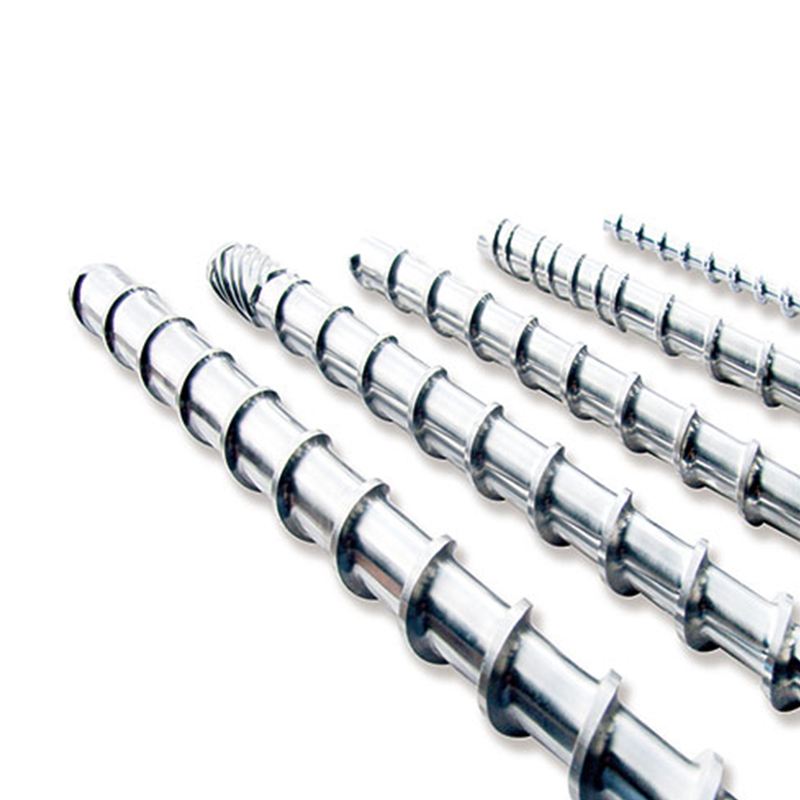
The screw shaft is the core component of a conical screw barrel. It is typically made from high-quality steel, such as alloyed steel, to withstand the intense forces generated during operation. The screw shaft’s primary function is to transport the material through the barrel, applying pressure and heat to facilitate the melting or mixing process.
Key Features:
- Typically made of alloyed steel.
- Transfers material from the feed zone to the melt zone.
- Can have different designs such as standard, barrier, or mixing screws.
2. Barrel
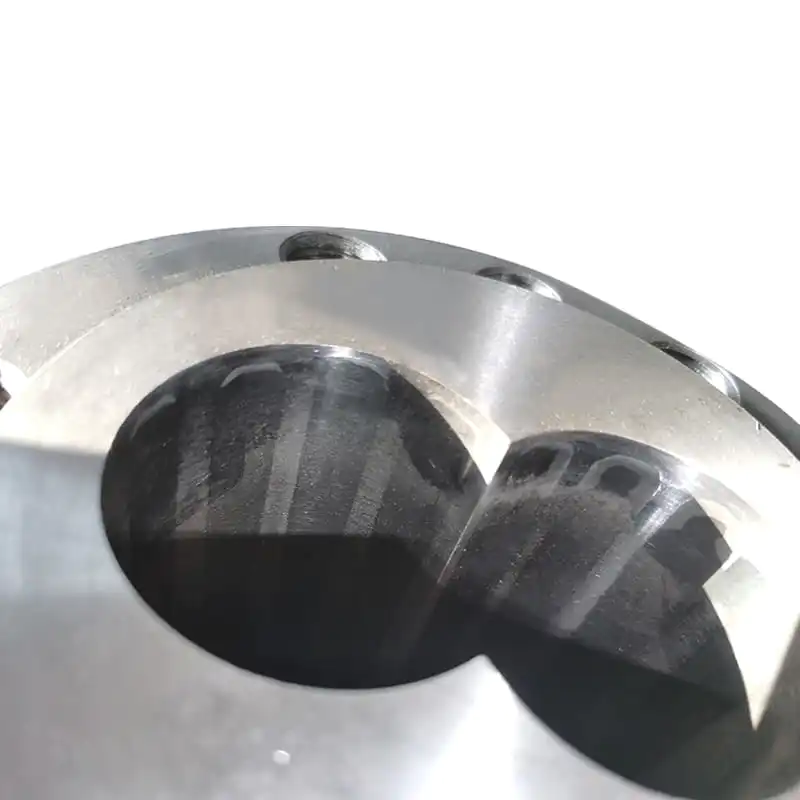
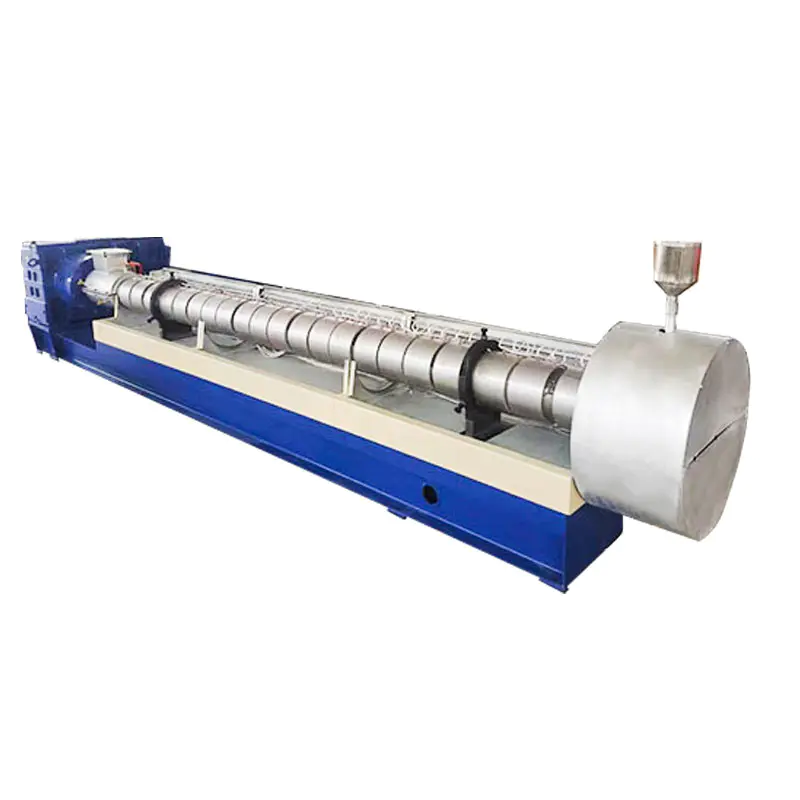
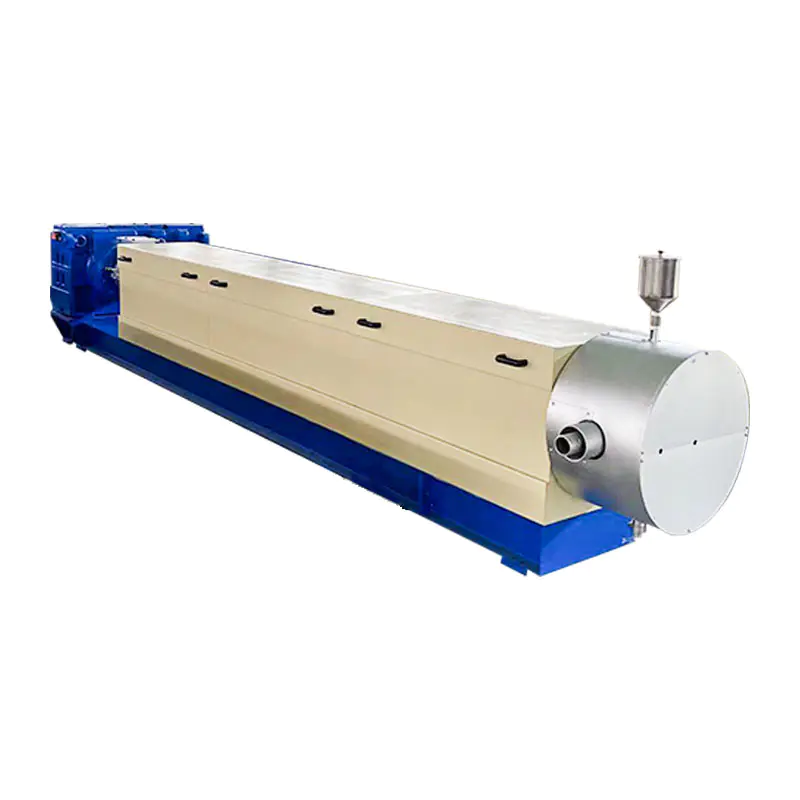
The barrel holds the screw shaft and is the part through which the material is forced. It is usually made of a tough steel material with an inner lining that resists wear and corrosion. The barrel provides a controlled environment for the heating or cooling of the material during the extrusion process.
Key Features:
- Made of hardened steel or chrome-plated material for durability.
- Has a specific inner diameter to accommodate the screw shaft.
- Incorporates cooling or heating jackets to maintain the right processing temperature.
3. Conical Design
The conical shape of the screw barrel is crucial in ensuring efficient material flow and pressure buildup. It allows for a gradual increase in material compression, which enhances the melting and mixing process.
Key Features:
- The conical design allows for more efficient pressure management.
- Improves the homogenization of materials.
- Minimizes shear stress on the material, preserving the quality of the product.
4. Thread Design
The threads on the screw shaft play an important role in how the material is transported. The design and number of threads determine the flow rate and mixing efficiency. In conical screw barrels, the thread design is often customized to suit specific material properties and production needs.
Types of Thread Designs:
- Single Flight: The most basic type, commonly used for standard applications.
- Double Flight: Offers enhanced material mixing and processing efficiency.
- Barrier Flights: Used for high-performance applications requiring effective melting.
5. Feed Zone
The feed zone is where the raw material is initially introduced into the screw barrel. It is typically designed with a larger pitch to allow for the smooth entry of material into the barrel without causing blockages. Efficient feed zones are critical for preventing material bottlenecks that can slow down production.
Key Features:
- Designed to accept large amounts of material.
- Ensures smooth material entry and prevents jamming.
- May include a pre-heating section to soften the material before it enters the melt zone.
6. Melt Zone
The melt zone is where the material is heated to its processing temperature. It is usually located at the wider end of the conical screw barrel, where the material undergoes melting and mixing before moving toward the metering zone. Proper temperature control is essential in this zone to ensure consistent quality in the finished product.
Key Features:
- Critical for achieving consistent melting of materials.
- Temperature-controlled for precise processing.
- Can include special elements like mixing zones or static mixers for better material homogenization.
7. Metering Zone
The metering zone is located at the end of the screw barrel and is responsible for pushing the material out of the barrel and into the mold or die. This zone needs to maintain a constant pressure to ensure consistent product quality.
Key Features:
- Ensures consistent material output.
- Critical for preventing material over-extrusion or under-extrusion.
- Can be designed to include a pressure monitoring system for precision control.
8. Materials and Coatings
The materials and coatings used in the construction of a conical screw barrel are essential for performance and longevity. Since the screw barrel is subjected to high temperatures and friction, materials like chrome, tungsten carbide, or nitrided steel are often used for their hardness and resistance to wear.
Common Materials:
- Hardened Steel: Most commonly used due to its strength and durability.
- Tungsten Carbide: Often used for high-wear areas.
- Stainless Steel: Used for corrosion-resistant properties in specific applications.
Comparison of Conical Screw Barrels and Parallel Screw Barrels
| Feature | Conical Screw Barrel | Parallel Screw Barrel |
|---|---|---|
| Material Homogenization | Superior due to the gradual compression process. | Good, but less effective in mixing. |
| Pressure Control | Excellent due to the conical shape. | Good, but can suffer from pressure fluctuations. |
| Wear Resistance | High, especially with reinforced coatings. | Varies based on material choice. |
FAQs
- What is the lifespan of a conical screw barrel? The lifespan depends on the material and usage, but typically it can last between 3 to 5 years with proper maintenance.
- Why is the conical shape important? The conical shape allows for better compression, material homogenization, and overall efficiency in the extrusion process.
- Can I use a conical screw barrel for all types of materials? While conical screw barrels are versatile, some specialized materials may require specific barrel designs.